Categories
Pressure Washing

Safety Tips for Pressure Washing: Things You Need to Know

Every year, thousands of Americans are injured using pressure washers.

Yes, pressure washers are generally safe to use. However, injuries still occur. In fact, some have died using pressure washers incorrectly.

Today, we want to help you stay safe. We’re highlighting some of the best safety tips for pressure washing, including things you need to know before operating a pressure washer.

Terms to Know

Your safety starts with good preparation. Some basic things to know that will prevent unsafe operation of a pressure washer include:

PSI: Pounds per square inch, or PSI, measures how much water pressure the machine produces. A machine with a higher PSI produces more pressure.

GPM: Gallons per minute measures the flow of water. A machine with a smaller GPM number is more water-efficient. A machine with a higher GPM and the same PSI is less efficient – it’s using more water to create the same amount of pressure.

CU: Some pressure washing companies use cleaning units, or CU, to measure the effectiveness of a pressure washer. CU is PSI x GPM. Machines with higher CU numbers are more powerful.

Electric vs. Gas: Electric-powered pressure washers are less powerful than gas-powered pressure washers, but they’re easier to operate. If you have small uses for a pressure washer – like cleaning furniture in an apartment – then an electric-powered pressure washer may be the right choice.

Check the Hose

A good water supply is the foundation to a safe pressure washing experience.

Make sure your water supply meets the following requirements:

  • Comes from a hose free of kinks or obstructions
  • Uses a hose with an inside diameter at least 3.5”’
  • Uses a hose less than 30 feet in length

To check your water supply, connect your hose to the pressure washer and squeeze the nozzle before turning it on. If water comes out of the nozzle before you turn it on, then your pressure washer should work without issue.

Understand Nozzle Safety

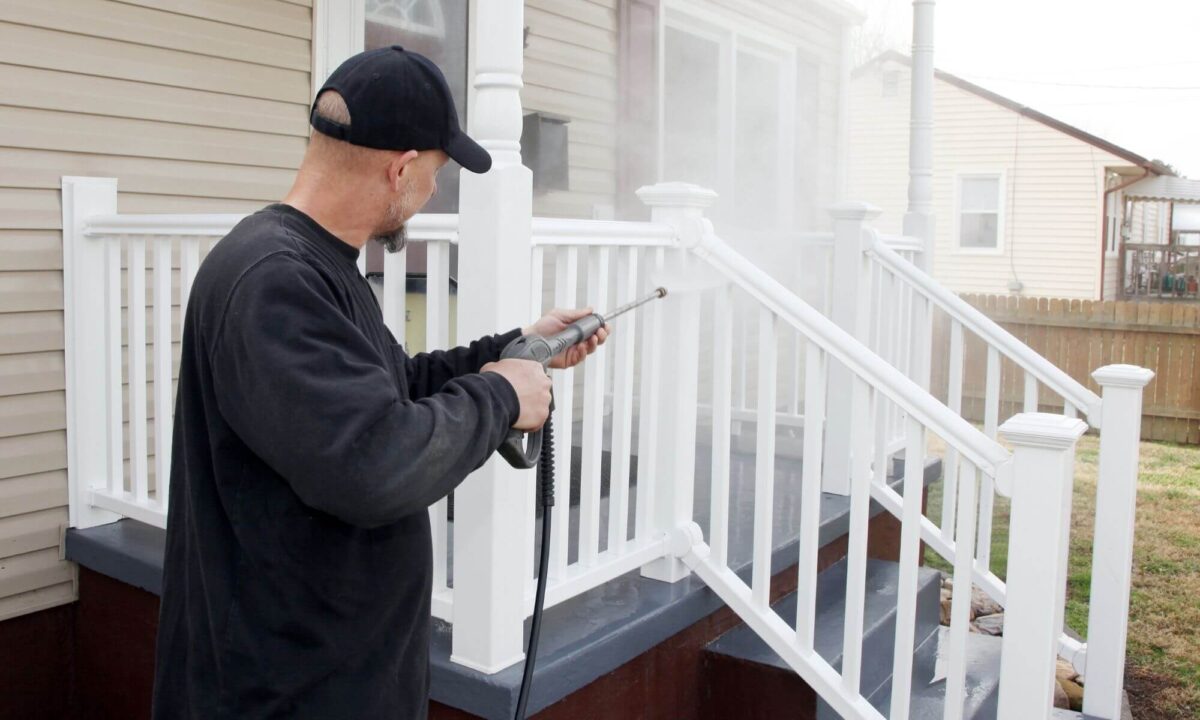
Most pressure washers come with a range of nozzles and settings. A red nozzle is the highest-pressure nozzle, delivering a 0-degree stream of water at your surface. It’s the most dangerous in terms of physical injury and surface damage, so be careful when using it.

Some pressure washers come with an all-in-one adjustable nozzle. Other pressure washers come with removable and replaceable nozzles. Read the user manual and make sure you understand your nozzle settings before you start.

Prepare the Area

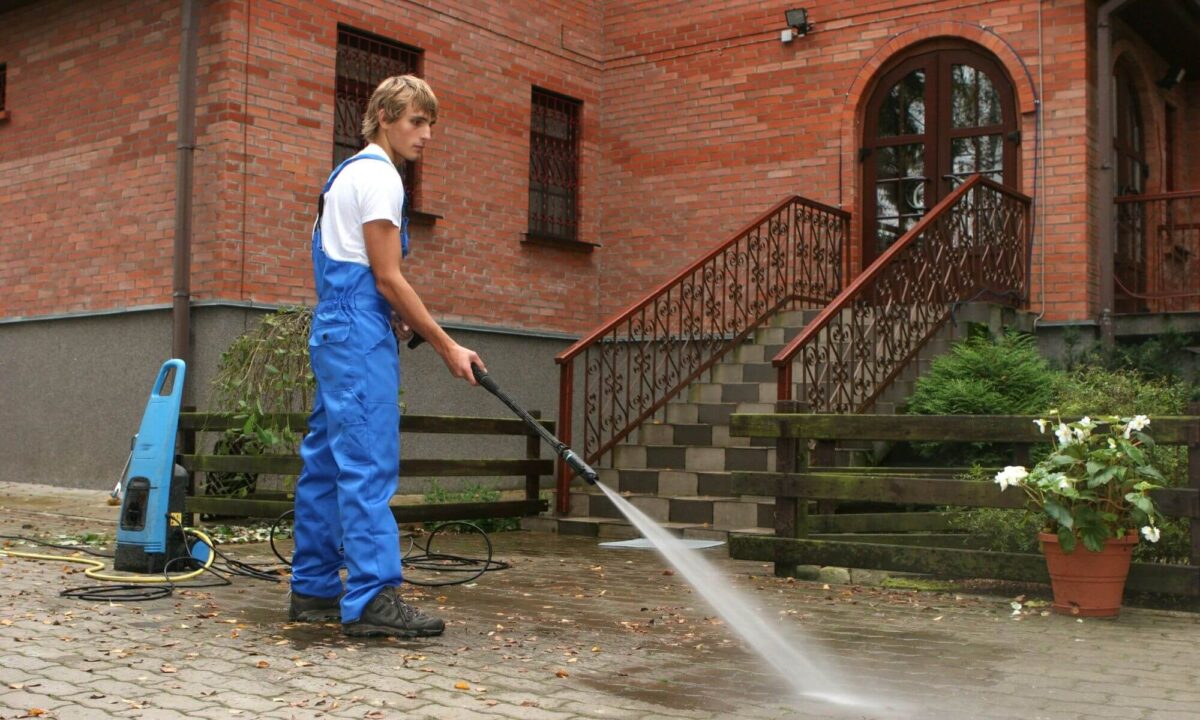
Prepare the setting before you start pressure washing. It’s a rookie mistake to run the pressure washer without cleaning the area.

Remove debris from surfaces. Cover lights and vents with tarps or other protective materials. Get rid of tripping hazards. Move furniture. Take note of anything that could be damaged by your pressure washer.

Other Tips

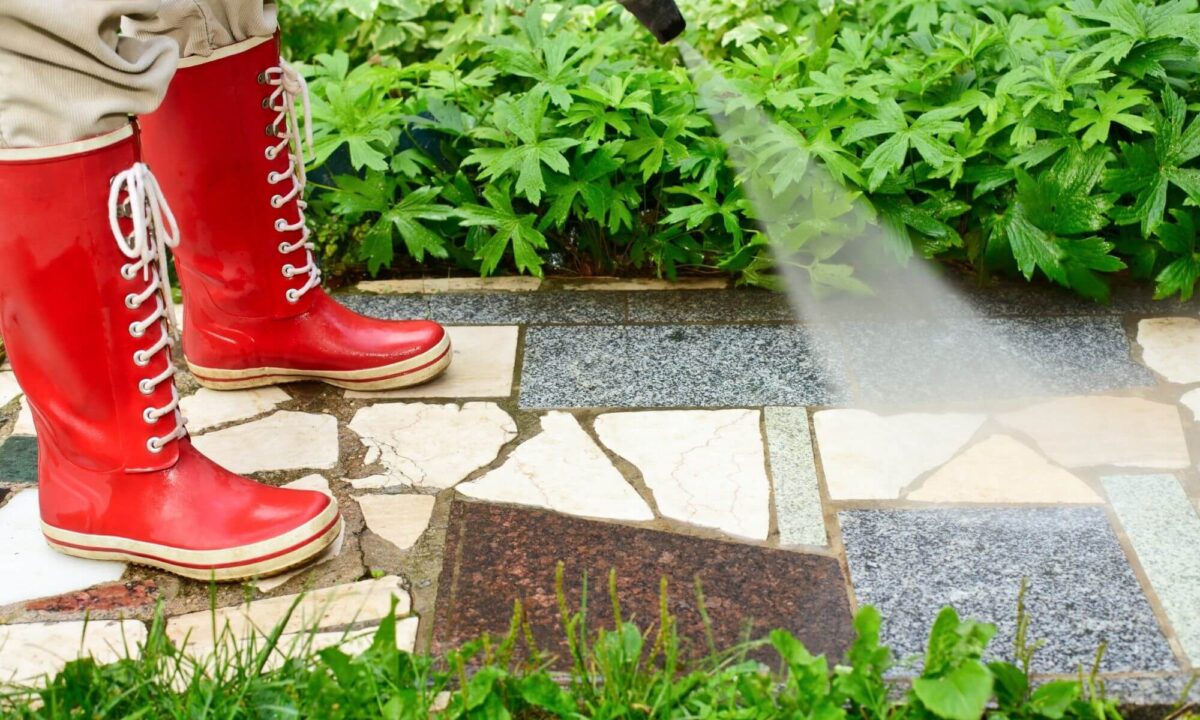
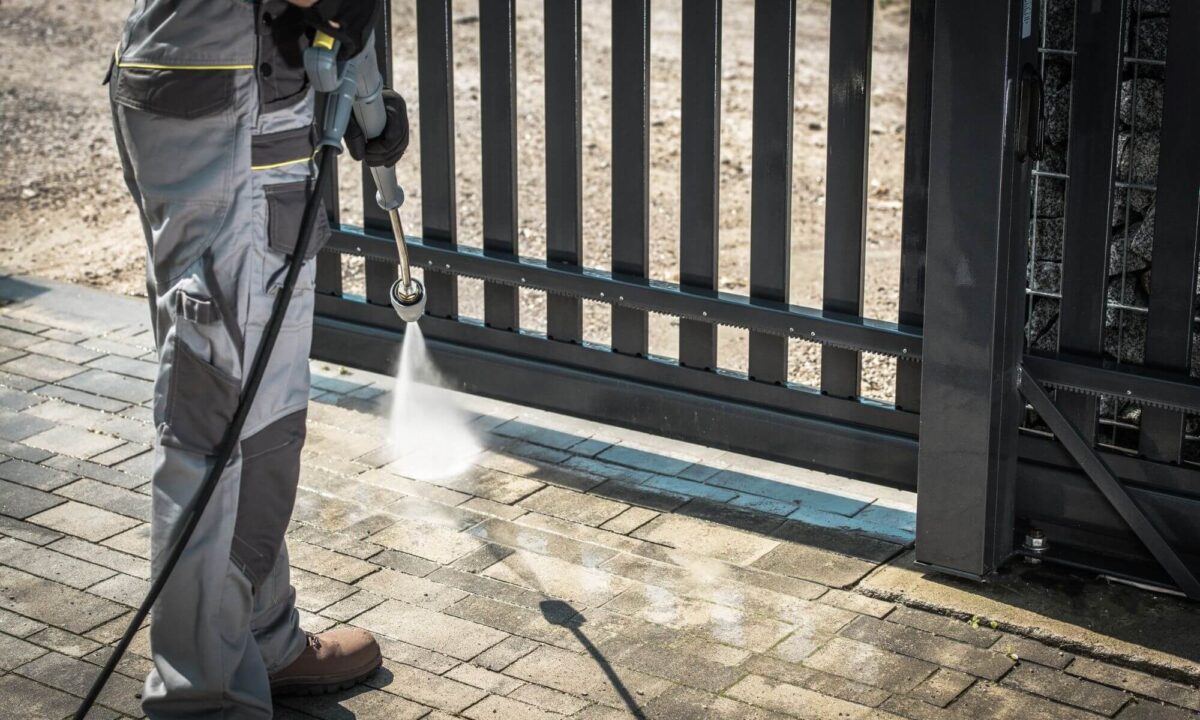
Wear protective gear. Goggles, long pants, and sturdy footwear are sufficient safety equipment for basic home pressure washing projects.

Avoid using your hands. Never put your hands in front of your pressure washer. That’s how people get injured.

Avoid using ladders. Ladders and pressure washers don’t mix. Every year, people are injured because they used a pressure washer while standing on a ladder. It’s a bad idea, and the pressure can push you backward, causing you to fall.

Read the manual. Yes, many people avoid reading the manual for any appliance they own. However, reading the manual is smart. All pressure washers work slightly differently. Take a few minutes to read the manual before you begin.

Set a schedule. It’s easy to pressure wash too much – or too little. Keep track of a schedule when pressure washing your home. Generally, you should clean vinyl siding every 2 years, concrete driveways once a year, wooden decks once a year, and other pavement or brick every 3 years.

Use a 45-degree angle. It’s natural to clean a surface at a 90-degree angle, spraying directly at a surface. Unfortunately, that’s not always a smart choice. It pushes dirt into the surface and could cause contaminants to spray directly up towards you. Use a 45-degree angle instead, attacking dirt from the side to blast it away from an area.

Hire the professionals. Pressure washing is an investment. It’s not just about a clean home. Pressure washing can also protect your investment and extend the lifespan of a property. Consider hiring the professionals for your next pressure washing on Long Island. Contact Majestic Window Cleaning & Pressure Washing for a free estimate. 
Categories
Pressure Washing

How to Efficiently Pressure Wash your Home for the First Time

We can’t all be pressure washing experts.

Majestic Window Cleaning & Pressure Washing is the pressure washing expert on Long Island.

With a little work, you can be the pressure washing expert of your home, too.

Today, we’re walking you through the process of pressure washing your home for the first time. Did you just buy a pressure washer? Are you thinking of investing in a pressure washer? Are you debating between professional pressure washing or a consumer-grade pressure washer?

Today, we’re explaining everything you need to know about efficiently pressure washing your home for the first time.

Gas vs. Electric Pressure Washers

First, you need to know the difference between gas and electric pressure washers. Gas-powered pressure washers are louder, more expensive, and more effective than electric pressure washers. Electric-powered pressure washers are affordable and easy to use, but they’re not as powerful. Generally, gas-powered pressure washers are a good investment for larger homes, but electric-powered pressure washers have become stronger over the years.

Both pressure washers work the same way: they direct a highly-concentrated stream of water through a spray wand towards a surface.

Pressure washers measure pressure in pounds per square inch.

For most homeowners with average needs, you need a pressure washer with 1,300 to 2,400 psi. This range cleans most surfaces around the home, ranging from lighter surfaces (like your car) to garage floors or pavement.

Spray Nozzles vs. All-in-One Adjustable Nozzles

Some pressure washers come with a set of spray nozzles. You swap out different spray nozzles for different tasks. Other pressure washers come with an all-in-one adjustable nozzle. You twist the nozzle as needed to adjust the spray.

Depending on your surface, you’ll use different types of nozzles and sprays. Generally, start with the widest angle, then narrow your spray as needed. Test a pressure washer on a surface before you start washing: otherwise, you could damage the surface.

How to Start a Gas-Powered Pressure Washer  

Running a gas-powered pressure washer is straightforward. Here are the steps to take:

1) Clean any debris from the inlet filter of the pressure washer.

2) Connect accessories (if needed). Some people use a chemical injector to enhance the cleaning power of their pressure washer, for example.

3) Prime the washer by running water through it for 60 seconds.  This removes any air from the lines.

4) Squeeze the trigger to bleed water pressure from the unit.

5) Pull the starter cord to start the engine.

For electric-powered pressure washers, you generally follow similar steps – although you press a button to turn on the pressure washer instead of pulling a cord.

Setting Up your Water Supply

Your pressure washer needs a water supply to work effectively. Your water supply needs to deliver the appropriate number of gallons per minute specified for your machine.

If your pressure washer needs 2.5 gallons per minute (gpm) to operate, for example, then you need to time how it long it takes your garden hose to fill a bucket. Track how long it takes to fill a 5 gallon bucket, for example, then use that number to calculate the gallons per minute of your hose.

Your hose needs to be shorter than 50 feet and have an inside diameter of ¾ inch to work with most pressure washers. There should be no kinks in your hose.

Connect the hose to your pressure washer, tighten the connections, then make sure water can flow through the washer and out the spray wand before you start the washer. If everything seems to be working normally, then you should be able to start pressure washing.

Tips for Pressure Washing

Now that you’re ready to begin pressure washing, the fun can start. Pressure washing is straightforward, although you can damage sensitive surfaces when pressure washing incorrectly.

Tips to remember when pressure washing include:

Lay Tarps to Protect Surfaces: If you have sensitive plants or want to protect your home during pressure washing, then lay down tarps. Tarps can prevent debris, dirt, and grime from flying onto surfaces after pressure washing.

Use a 45-Degree Angle: Many newbie pressure washers hold the wand at a 90 degree angle, spraying directly down at a surface. This isn’t good. It pushes dirt and grime into the surface. Use a 45-degree angle instead, pushing dirt and grime away from the surface.

Prevent Streaks: By washing from the bottom and working up, you can prevent streaks on your surface. Work a small area at a time. Use long and overlapping strokes for even cleaning. It takes a bit of practice to do it right, but it’s satisfying to watch when done correctly.

Pressure washing isn’t challenging with a bit of preparation. By following the tips above, you can efficiently pressure wash any surface in your home – even if you’ve never held a pressure washer in your life. 

Categories
Pressure Washing

Dos and Don’ts of Pressure Washing: An Idiot’s Guide to Pressure Washing

Pressure washing can seem simple, but it’s more complicated than many people realize.

At first glance, the pressure washer might look like a high-powered hose, blasting dirt and grime off a surface in seconds. At closer inspection, however, you’ll see nuances with professional power washing. Technicians choose the intensity of the pressure washing, the type of nozzle to use, and the types of cleaning chemicals to use – if any.

If you’re new to pressure washing, then that’s okay. Today, we’re sharing some of the things you should do when pressure washing – and some of the things you should not do.

Dos of Pressure Washing

Do Read the Manual: Thepressure washing manual is more important than many appliance manuals. It contains crucial information about how your pressure washer works, how to safely operate the unit, and what not to do with the unit. Our list of pressure washing dos and don’ts is fine for general pressure washers, but there are specific differences between pressure washers you need to know about.

Do Start with the Widest Spray Angle: If you’re worried about damaging a surface (and you should be), then start with the widest spray angle and work your way down. A wider spray angle has less power, which means less chance of damage. If it doesn’t blast away contaminants on the surface, then narrow the spray angle as needed.

Do Shop Around: There are huge differences between pressure washers. Some electric-powered pressure washers are $100 – and do the same job as a garden hose. Others are $2,000 and completely unnecessary for average homeowners. Shop around, compare gas and electric models, and choose the right option for your unique needs. There are more pressure washing options available today than ever.

Do Gear Up: Yes, you might feel silly wearing protective gear when pressure washing – but people can and do get injured while pressure washing. All it takes is a small rock or chip to bounce the wrong way and hit your eye. Wear goggles (or at least sunglasses), long pants, and sturdy shoes when pressure washing.

Do Change Nozzles Correctly: Changing nozzles seems simple, but you need to release excess water before switching between replaceable spray tips. Turn off the engine, then press the trigger before replacing spray tips.

Do a Test Wash: Test wash your pressure washer on a surface you don’t care about – like an old piece of painted deck lying in your yard. You don’t want to accidentally use too much pressure on a surface you care about – like a visible part of your deck.

Don’ts of Pressure Washing

Don’t Pressure Wash your Car: Yes, it’s tempting to pressure wash bird poop off your vehicle’s hood, but it’s generally not a good idea to pressure wash your vehicle. It’s better to use a garden hose – or a hose nozzle. Pressure washers are too powerful. Even on low settings, pressure washers can get under your paint or find a chip, opening wider damage.

Don’t Get Too Close: Stay at least 6 inches away from whatever you’re cleaning. If that’s not close enough to remove damage, then you need to use a stronger intensity – not get closer.

Don’t Let Gas Pressure Washers Overheat: Gas-powered pressure washers can overheat if left running for a long time. Don’t let the engine run for a long time. Press the trigger periodically to avoid overheating.

Don’t Use a Pressure Washer o a Ladder: You need to clean your roof and gutters, so you get onto a ladder and start pressure washing. Unfortunately, pressure washers and ladders are a bad combination. Avoid using a pressure washer when standing on a ladder, as it could throw you off balance.

Don’t Use an Extension Cord with Electric Pressure Washers: All electric-powered pressure washers should come with a 25 to 35 foot extension cord. Use this extension cord, and don’t try to daisy chain multiple extension cords together to extend the range.

Request a Pressure Washing Estimate in Huntington, New York Today

Pressure washing in Huntington, New York is easy and affordable thanks to Majestic Window Cleaning & Pressure Washing. We’re a locally owned and operated exterior cleaning company with a proven track record for providing unbeatable quality.

Request an estimate on any type of Long Island pressure washing today with Majestic Window Cleaning & Pressure Washing. Or, call to speak with a friendly, locally-based representative happy to walk you through the entire pressure washing process.

Categories
Pressure Washing

What You Need to Know Before Buying a Pressure Washer

Most people aren’t experts at buying pressure washers. Fortunately, we are.

At Majestic Window Cleaning & Pressure Washing, we know how good a professional pressure washing can make your home look. Our experts work quickly to remove dirt, grime, and contaminants from the surface of any home or business. It makes a property look great – and it extends its lifespan.

Many of our customers invest in pressure washers – and that’s okay! Having a consumer-grade pressure washer can help you tackle small messes around the home.

However, not all pressure washers are made alike. Some pressure washers are better than others.

Some power washers have less power than a garden hose. Others are nearly as powerful as our commercial-grade cleaners.

We want to help. Today, we’re highlighting 5 things you need to know before buying a pressure washer.

Gas vs. Electric

First, you have a decision to make. Do you want to buy a gas-powered pressure washer or an electric-powered pressure washer?

Some of the pros and cons of each include:

Gas-Powered Pressure Washer

Gas-powered pressure washers deliver water at a higher pressure, and they’re ideal for larger areas (like driveways). They also tend to be noisier, heavier, and more expensive.

Pros

  • Better coverage for large areas (like decks, siding, and driveways)
  • Effective cleaning without needing chemicals
  • Easily removes tough-to-displace stains, contaminants, and other problems

Cons

  • Noisy
  • Heavy
  • More expensive
  • Must winterize the pressure washer in colder climates
  • Increased risk of injury to yourself or damage to a property

Electric-Powered Pressure Washer

For smaller homes, condos, or jobs, an electric-powered pressure washer can be affordable and easy to use. Even the best electric-powered pressure washers don’t have the same power as their gas-powered cousins, but you still get effective cleaning at a reasonable rate. Expect to pay between $100 and $350 for an electric-powered pressure washer.

Pros

  • Easy to use
  • Ideal for small decks, patios, furniture, and other tiny tasks
  • Light and quiet
  • No exhaust emissions or gas smell
  • No need to winterize
  • Easy to store

Cons

  • Lower water pressure
  • Longer cleaning times
  • Weaker nozzles
  • Must remain plugged in during use

Based on your unique pressure washing needs, choose the right pressure washer for you.

Understand Nozzles

You attach different nozzles to your pressure washer to adjust the angle and intensity. The nozzle sits at the tip of the pressure washer wand. Specific types of nozzles vary between brands, and some brands use different colors. However, all nozzles let you adjust spray and intensity in different ways – all with a piece of plastic or metal.

Some things to know about nozzles include:

Adjustable vs. Replaceable Nozzles: Some pressure washers have adjustable nozzles. You twist the nozzle to customize the intensity and the angle. Other nozzles are replaceable, which means you swap different nozzles for different jobs. Generally, all-in-one adjustable nozzles are more convenient.

Types of Intensities: Most pressure washers come with red nozzles for the toughest cleaning jobs. These nozzles have a highly-concentrated spraying angle (listed as 0 degrees). They direct a highly-concentrated stream of water at the surface. Your pressure washer should also come with a black nozzle (for low pressure and gentle washing), a white or grey nozzle (40 degrees, for surfaces that are easy to damage), a green nozzle (25 degrees, for general tasks), and a yellow nozzle (15 degrees, for heavy-duty tasks). 

Ultimately, all-in-one nozzles are an easy choice for the home handyman. However, people with more extensive pressure washing needs may opt for replaceable nozzles for added customizability.

Other Tips for Buying a Pressure Washer

You’re almost ready to buy your first pressure washer. Other tips to consider include:

Compare Reviews Online from Multiple Sources: Don’t trust the manufacturer’s official website. Browse the top-rated pressure washers online. Read reviews from people in the business. Check Reddit and other sources for independent information.

Take Safety Precautions During Use: Wear goggles, long pants, and sturdy shoes when operating your pressure washer. Yes, it’s tempting to run your pressure washer in a bathing suite and flip flops, but it increases the risk of energy.

Test the Pressure Washer on a Random Surface: Before pressure washing your deck or patio checks, test a small corner of your deck – or better yet, a random piece of wood. It’s a good way to test the intensity of your pressure washer before doing permanent damage.

Ask Locals What They Use: Ask a neighbor or friend what type of pressure washer they use. One pressure washer online might be ideal for cleaning swamp stains off your deck in Florida, but it doesn’t work as well in New York.

Avoid Washing your Car with a Pressure Washer: Most experts don’t recommend pressure washing a car. Instead, a hose works better. Pressure washers can easily damage a car’s exterior. If you need to pressure wash your vehicle, make sure you know what you’re doing.

Schedule Pressure Washing on Long Island Today

Majestic Window Cleaning & Pressure Washing serves all of Nassau and Suffolk Counties on Long Island with effective pressure washing.

Contact us today to discover the best pressure washing services in Huntington, New York and area at a reasonable rate.

Categories
House Washing

Soft Washing Versus Pressure Washing: What’s the Difference?

Article Updated on August 31st 2023

You can soft wash or pressure wash a surface to keep it clean.

What’s the right choice for your driveway or deck? What’s the difference between pressure washing and soft washing? Find out everything you need to know about soft washing versus pressure washing today in our review.

The Basics

Soft washing and pressure washing are both methods of cleaning surfaces on and around your property.

Both soft washing and pressure washing are considered types of power washing.

Pressure washing is harsher on surfaces than soft washing. Pressure washing can dislodge deep-rooted contaminants within the surface, making it ideal for hard and porous surfaces like concrete. Soft washing has lighter pressure, which can reduce the cleaning effectiveness while making it easier for softer surfaces to handle.

Fortunately, most pressure washers have adjustable pressure ratings. You can choose a high pressure or low pressure wash with each machine.

Similarly, all pressure washing companies have adjustable pressure washers, and they can select the right type of pressure based on your unique surface.

Both pressure washing and soft washing have pros and cons.

How Pressure Washing Works

With pressure washing, you direct highly-compressed water at a surface to blast away contaminants. Pressure washers have different strength ratings given in pounds per square inch (PSI).

Generally, pressure washing is considered the best method for removing loose paint or stains from surfaces – say, if you’re removing paints or stains to prepare for another layer.

The big drawback of pressure washing is that it can damage surfaces when used incorrectly. Applying high-powered pressure to a deck, for example, can cause severe damage to the surface. Wood is softer than concrete, so you need to use a different PSI.

Use pressure washing:

  • To remove loose paint or stain from wooden or aluminum siding
  • To prepare a deck for staining (say, when removing old wood fibers and loose paint from the deck)
  • To wash concrete, pavement, and similar hard surfaces that are more than 3 years old

How Soft Washing Works

Soft washing is a lower pressure wash. You still use higher pressure than you would with something like a hose, but soft washing allows you to dislodge contaminants without harming the surface.

Soft washing lets you remove mold, algae, mildew, dirt, and other contaminants from a surface. You might use soft washing on softer wood, for example, or to avoid impacting the structural integrity of concrete that’s newer than 3 years.

Use soft washing:

  • For cedar shake siding, wood panel siding, and similarly soft siding materials
  • To wash concrete that’s newer than 3 years old
  • To clean mold, algae, mildew, dirt, and other surface contaminants without harming the surface below
  • To clean stucco, coquina, or vinyl siding
  • To clean outdoor wood furniture, rooted plants, screens, and enclosures
  • To clean any standard surface, like a roof or a deck, where you don’t want to impact the structural integrity of that surface

Generally, for any standard cleaning of your house, deck, or property, soft washing is the right choice. If soft washing isn’t dislodging a certain trouble spot, then you could switch to pressure washing.

Power Washing vs. Pressure Washing

Some people use power washing, soft washing, and power washing interchangeably.

However, others claim there’s a difference between pressure washing and power washing, with power washing being the heaviest-duty type of washing available.

Power washing involves blasting high-pressure water (typically hot water) at a surface to sanitize and clean the surface.

Typically, power washing machines are industrial-grade machines designed for professionals – and they’re not safe for homeowners to use without proper training.

Power washers are commonly used in commercial and industrial settings, although they can also be spotted on driveways, stone walls, and rough concrete surfaces, among other areas.

Request a Free Power Washing Estimate Today

At Majestic Window Cleaning & Pressure Washing, we have 20+ years of experience pressure washing, power washing, and soft washing surfaces at Long Island homes and businesses from Dix Hills to Upper Brookville.

We know the exact right amount of pressure to apply to any surface. Whether pressure washing or soft washing, we get the job done right without damaging your property.

Request a free estimate on power washing on Long Island today. Majestic Window Cleaning & Pressure Washing is based in Levittown, New York and serves all of Suffolk and Nassau Counties. 

Categories
Home Improvement

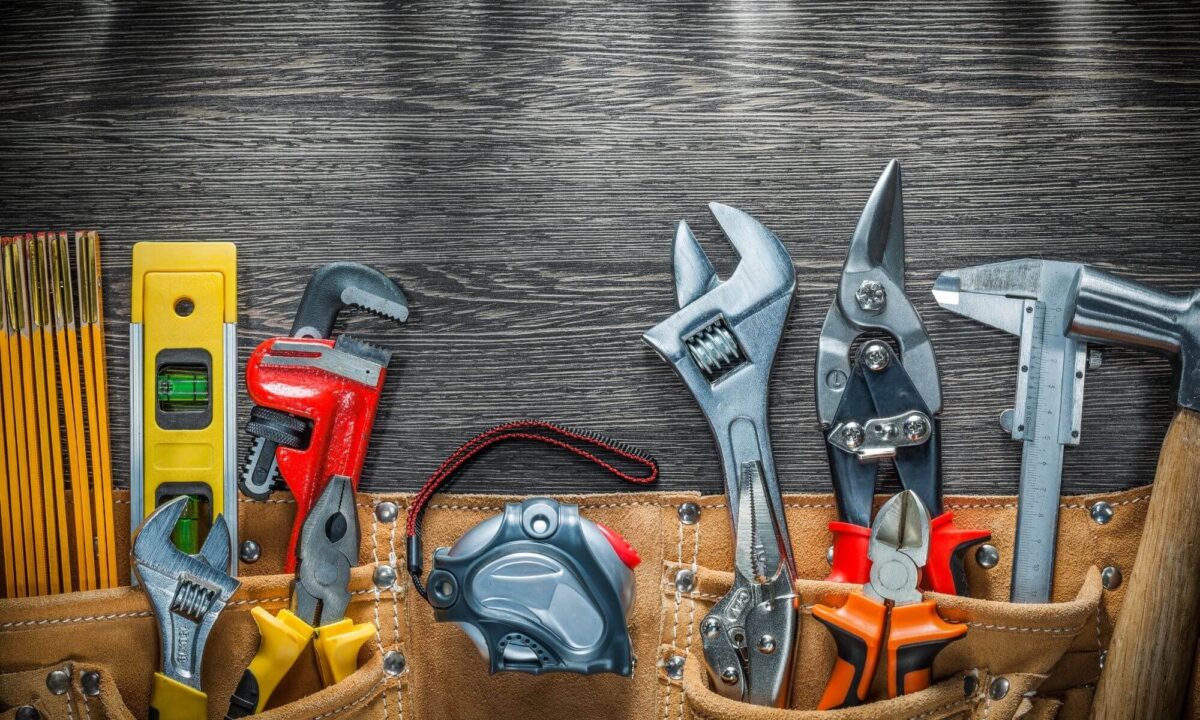
Top Twenty Must-Buy Tools for New Homeowners

Good tools help you maintain your home. 

Maybe you just bought a house. Maybe you’ve owned a home for decades.

Whatever the situation, you need tools to keep your home in good condition. Tools protect your investment. They also allow you to tackle projects around the house without calling a professional.

Whether you’re a new or experienced homeowner, here are the top 20 tools every homeowner should have.

1) Toolbox: Before you buy any other tools on this list, you need a place to store your tools. Buy a toolbox. Some toolboxes are outfitted with dozens of beginner tools, giving you everything you need to get started. However, these tools are often cheap and low-quality. You’re better off buying your own toolbox and filling it with higher-quality tools purchased separately.

2) Claw Hammer: Arguably the most common tool in any home, the hammer is a problem-solving tool for any part of your home. A claw hammer lets you fix your deck, remove loose nails around the house, hang pictures, and perform other basic and advanced home maintenance tasks.

2) Screwdriver Set: A good screwdriver set is the foundation of any homeowner’s tool kit. Some prefer manual screwdrivers, where you lift the screw head after every turn of the screw and reposition it before the next turn. Others prefer ratcheting screw drivers, where you can make multiple screw turns without removing the screwdriver from the item. Your screwdriver set should contain a flathead screwdriver, Phillips screwdriver, hex-head screwdriver, Robertson, and Torx screwdriver. With these five types of screwdrivers, you can tackle virtually any DIY project.

3) Adjustable Wrench: For basic DIY tasks, an adjustable wrench is all you need. Most homeowners don’t need a full wrench set. Instead, an adjustable wrench lets you easily tighten nuts and bolts around your home. For leaky sinks and more, you need an adjustable wrench.

4) Utility Knife: Utility knives, also known as box cutters, are great all-around cutting tools. They’re useful for cutting carpet, trimming drywall, cutting wallpaper, and performing other crucial tasks around the house. Buy a good utility knife with a replaceable blade. A good utility knife is an investment, and you can replace the blade whenever it’s dull to ensure optimal cutting action.

5) Tape Measure: Tape measures allow you to measure distance. If you’re building anything, you need a good tape measure. A tape measure is another item that’s worth a bigger investment. If you plan on doing big projects around the house, invest in a 35-foot tape measure.

6) Flashlight or Head Lamp: A good flashlight is crucial. Your home is filled with dark spaces. You can’t work on something you can’t see. Invest in a good flashlight. Even if you’re not much of a DIYer, a good flashlight is important for power outages and other unexpected events. If you plan on using both hands in dark spaces around your home, then invest in a head lamp.

7) Level: Just like a tape measure, a level is crucial if you’re building anything. A level is the difference between a deck standing for decades – and a lopsided deck collapsing after a bad snowstorm. Even if you’re not building a deck, a level helps when building a pool table, installing countertops, and performing other tasks around the house. If you’re planning to start big projects in the future, get a 4-foot level.

8) Power Drill and Bit Set: A power drill pays for itself with one major DIY project. Buy a power drill with a bit set and never look back. If you’re going to buy one power tool for your home, make it a power drill. Like most other items on this list, a power drill is useful for everyone – but it’s crucial if you’re building anything.

9) Extension Cord: Your power tools are only as good as the extension cord connected to them. Buy a good extension cord to vastly expand the number of areas of your home where you can work.

10) Three Types of Tape: A good home handyperson has three types of tape – and knows when to use each type. Your tool box should have duct tape, plumber tape, and electrical tape. Use duct tape for general purposes, patching a hose, and virtually anything else. Use plumber tape for situations where you need to prevent water or air from leaking – say, when fixing a leaky pipe. And use electrical tape to insulate wires or color code objects.

11) Pressure Washer: For many homeowners, it’s worth investing in a pressure washer. Buy a good pressure washer today and save yourself years of maintenance issues. Pressure washers are ideal for cleaning outdoor surfaces, siding, roofs, decks, fences, and more. You can find pressure washers at all different price ranges, making it easy to find one that suits your budget. Alternatively, you can hire a professional pressure washing company at a reasonable rate for regular cleanings.

12) Ladder: Whether working on your home or changing a high light bulb, a ladder is a crucial part of any arsenal of home tools.

13) Rake: Keep your lawn tidy. Collect grass clippings. Make your landscaping look nice. Whether your lawn is surrounded by trees or not, a rake keeps leaves off your yard in the fall and winter.

14) Snow Shovel: A snow shovel is one of those things you don’t realize you need until it’s too late. Suddenly, it’s the first snowstorm of the year and you can’t leave your driveway – and the hardware store is sold out of snow shovels anyway. Buy a good snow shovel today if you live in a winter climate.

15) Broom: Just like a rake or a snow shovel, a broom keeps everything tidy. Invest in a good, sturdy outdoor broom. Sweep off your deck and sidewalk. Keep your garage floor clean.

16) Paint Brush: Even if your home is perfectly painted, it won’t stay that way for long. Invest in a good paint brush to make sure you’re always ready for dents, dings, scratches, marks, and full-on painting jobs.

17) Pliers: Pliers can straighten bent power cord plugs, replace old shower heads, slice wiring, and perform other important tasks around the house. Get a set of pliers to ensure you have tongue-and-groove pliers, side-cutting pliers, needle-nose pliers, and slip-joint pliers for any job.

18) Putty Knife: you need a putty knife for spreading spackling compound. You can also use putty knives when reglazing a window, scraping off paint or wallpaper, and performing other jobs around the house.

19) Handsaw: Many homeowners just need a good handsaw – not a full power saw. A good handsaw is portable and ideal for smaller jobs. Until you start a major project, you should be able to get by with a handsaw and not a power saw.

20) Wheelbarrow: Wheelbarrows are useful in all seasons for tackling yard debris and moving heavy items around your yard. A good wheelbarrow makes it easy to keep your landscaping neat and tidy.

Invest in all of the tools above to easily tackle any DIY home projects.

Categories
Pressure Washing

Ways to Use a Pressure Washer: Top 6 Best Places to Pressure Wash Around Your Home

Maybe you just bought a new pressure washer. Maybe you hired a pressure washing company to clean your property.

Whatever the situation is, you’re looking for things to pressure wash. Sure, everyone knows you can pressure wash your deck and driveway, but there are plenty of other surprising things to pressure wash around your home.

Today, we’re highlighting some of the best ways to use a pressure washer, including the best places to pressure wash in and around your home.

House Siding

Use a pressure washer on the siding of your home. It not only cleans the siding: it also protects the siding from damage, increasing its lifespan and improving its ability to protect your home.

When you don’t clean your siding, you let contaminants, toxins, mildew, mold, and algae build up on the surface and within the siding – particularly if you live in a wet or humid climate. Over time, these contaminants impact the structural integrity of the siding. They weaken the siding. It’s a serious maintenance issue.

Sure, you could manually wash your home’s siding using a brush or sponge – but that takes forever. Use your pressure washer to quickly and efficiently scrub layers of grime from your siding. Beautify your home and protect your biggest investment at the same time.

Fences

Fences, like siding, can develop issues with grime, mold, and mildew over time – especially on Long Island. This buildup impacts the structural integrity of your fence, causing it to weaken more quickly.

Clean your fence with a pressure washer to restore its former glory. In many cases, you don’t need a new fence – you just need some strategic pressure washing once or twice per year.

Pressure washing vinyl fencing is easy. Adjust the pressure, then spray away.

However, you need to be more careful with wood fences, as the soft surface is more prone to damage. Using the right cleansers and pressure, you can easily pressure wash your fence to protect its integrity and boost its appearance.

Patios & Decks

Patios and decks are some of the best things in your home to pressure wash. They’re often exposed to the elements, which means you need to clean them regularly to avoid dirt, grime, mold, and mildew.

Patios and decks are also areas with heavy foot traffic, which means you want these areas to be clean. Nobody wants to step onto their deck and feel grime beneath their toes.

It’s a good idea to pressure wash your deck before repainting it or staining it. Pressure washing removes dirt, grime, and other contaminants, making it easier to paint.

Even if you aren’t painting your deck, pressure washing protects your deck from the elements. Studies show that pressure washing your deck once or twice per year can extend its lifespan and increase the length of time between painting and staining projects. 

Roofs

Yes, you can pressure wash your roof – and pressure washing your roof can lead to huge benefits for your home.

You should not clean your roof with high pressure. However, you can use ‘soft wash’ techniques (i.e. low pressure) to gently remove dirt, grime, mold, mildew, and other contaminants from the roof.

If you let contaminants build up in your roof, it weakens the structural integrity – similar to siding. Algae accumulates and grows on the surface of your roof, consuming the limestone filler and weakening the shingles.

With a soft wash, you can remove problematic compounds from your roof, increasing the lifespan of your roof while protecting your home. Regular roof treatment is a guaranteed way to protect your biggest investment.

Concrete, Pavement, Footpaths, and Driveways

Revitalize your driveway, footpaths, garage floor, and other concrete or hard surfaces around your home.

Concrete is more porous than many homeowners realize. It’s like a sponge, and that means contaminants permeate the surface and lodge themselves deep inside. To rejuvenate the appearance of concrete around your home, use a pressure washer.

Pressure washer can easily remove oil and rust stains – things that aren’t easy to remove with normal cleaning techniques.

In colder climates, some homeowners seal driveways after pressure washing to prevent further contamination. This can be useful on Long Island, particularly before winter. When moisture enters concrete then freezes, it strains the concrete, causing cracking, chipping, pitting, and other issues. This weakens the concrete over time and reduces its lifespan.

For all of these reasons, use your pressure washer to clean concrete, pavement, footpaths, driveways, garage floors, and other surfaces around your home.  

Commercial Properties & Storefronts

Curb appeal is important with any home or business, but it’s particularly important if you have a commercial storefront or any type of customer-facing business.

People like clean storefronts. If the sidewalk or siding on your storefront is dirty, it pushes customers away. If you’ve already used your pressure washer at home, take it to a commercial property and enhance curb appeal – and attract new business.

Request a Free Pressure Washing Estimate Today

Don’t own a pressure washer? That’s okay! Majestic Window Cleaning & Pressure Washing services all of Nassau County and Suffolk County with world-class pressure washing.

We use the industry’s best pressure washers, allowing us to get a deeper clean than you would with an ordinary household pressure washer. That means effective cleaning every time. Request an estimate on Long Island pressure washing services today.

Categories
House Washing Pressure Washing

Ten Surprising Benefits of Pressure Washing your Home

Pressure washing is good for your home. But many homeowners don’t realize how good pressure washing can be.

Regularly pressure washing your home protects your biggest investment. It saves you time and money. It increases curb appeal.

For all of these reasons and more, Majestic Window Cleaning & Pressure Washing is happy to pressure wash homes, businesses, and storefronts across Long Island.

Here are some of the most surprising benefits of pressure washing your home in Upper Brookville, Oyster Bay, Westbury – or anywhere else.

Protect it From Damage

Pressure washing your home or business helps to reduce the risk of damage. When you pressure wash, you remove contaminants that damage your home’s siding. Many homes in Massapequa, for example, develop algae, mold, and mildew under siding when poorly maintained. In areas like Long Island with high moisture or humidity, pressure washing is extremely important. By power washing your home as part of regular maintenance, you can avoid the buildup of problematic compounds, giving you a healthier and cleaner home.

Pressure Washing Delivers Good ROI

Pressure washing your home is an investment in one of your most important assets. For many homeowners in New York, their home is their biggest investment. Smart homeowners protect that investment with effective pressure washing. Pressure washing your home is guaranteed to save you money in the long run. Whether you invest in a pressure washer today or hire a team like Majestic Window Cleaning & Pressure Washing for regular pressure washing, you’re spending a little money today to save a lot of money in the future.

Prepare your Home for Painting

Pressure washing your home can help you prepare it for painting and other projects. Painting a dirty wall is never a good idea. Even if your home looks clean, there may be contaminants, dust, dirt, and grime layered within the surface. Pressure washing removes these contaminants, preparing your home for the most effective painting possible.

Pressure washing your home can help you prepare it for painting and other projects. Painting a dirty wall is never a good idea. Even if your home looks clean, there may be contaminants, dust, dirt, and grime layered within the surface. Pressure washing removes these contaminants, preparing your home for the most effective painting possible.

“If done correctly, pressure washing can be a godsend when it comes time to paint. It can help remove dirt, mildew, algae, and oxidation — all key contributors of paint failure.”
—Name or Subtext

Avoid Health Issues

Many people are unaware that pressure washing a home can improve the health of your home. If you have asthma or other breathing issues, for example, then you may be susceptible to contaminants in the air. Pressure washing your home and its exterior can remove algae, mold, and other toxic contaminants, preventing them from growing into a serious problem. If your home has a moldy or mildewy smell, or if you notice algae buildup around your exterior, then your poor cleaning habits could be affecting your health.

Enhance Curb Appeal

This pressure washing benefit is obvious. Pressure washing can transform the appearance of a home. It’s like giving your home a makeover – but without the high cost of a construction or renovation project. Pressure washing can blast away years of dirt and grime buildup, significantly enhancing the curb appeal of your property. Whether you’re selling your Huntington home or improving the appearance of a Seaford storefront, pressure washing is guaranteed to enhance curb appeal.

Increase Property Value

The value of your property declines with a lack of maintenance. Pressure washing protects your biggest investment by increasing property value. A poorly-maintained home declines in value and small maintenance issues can quickly snowball into big problems.

Protect the Environment

Pressure washing is environmentally safe. All reputable pressure washing companies, including Majestic Window Cleaning & Pressure Washing, use 100% environmentally friendly solutions and equipment. Our solutions tackle dirt and grime without harming the environment. And, by removing mold and algae, pressure washing can genuinely protect your home’s environment and its surroundings.

Save Time Over Other Cleaning Methods

Sure, you could scrub your home’s siding by hand, covering every inch with a sponge, brush, and a high-quality cleaning solution. However, pressure washing saves time over other cleaning methods. You can cover a larger area in a short period of time, penetrating deep below the surface contaminants without scrubbing too hard. Clean the same area of your home with half the work.

Works on Virtually Any Home or Surface

You don’t need a special siding material to enjoy the benefits of pressure washing. You can adjust pressure washers to different strengths or use different solutions to tackle different surfaces. Whether you’re cleaning your driveway or delicate siding, you can pressure wash any type of surface or home.

Reduce the Risk of Injury

Pressure washing could reduce the risk of injury on your property. When you pressure wash a sidewalk or footpath, you remove contaminants from the surface, reducing the chance of a slip or fall. Some Long Island footpaths are overgrown with mold or mildew that becomes slippery when wet. By removing these contaminants today, you can reduce the risk of someone injuring themselves on your property.

Twelve Tough Stains That Pressure Washing Can Remove

  • Calcium and lime deposits — Hard surfaces like fountains, pools, and retaining walls can develop calcium and lime build-up over time due to hard water. These mineral deposits are tough to remove, but experienced pressure washing services can effectively clean them.
  • Chewing gum — Chewing gum is notoriously sticky and hard to remove from surfaces like concrete. Pressure washing with hot water and a 4000 psi setting, using a fan pattern, can quickly dissolve and remove the gum.
  • Deck stains — Pressure washing can remove deck stains if done carefully. A setting of 1500 psi should be enough. Keep the sprayer about 3 inches from the deck and spray along the grain to avoid damage.
  • General-purpose stains — Using specialized detergent with a pressure washer makes it a powerful stain remover for wood, vinyl siding, driveways, paving stones, and roofs. Tough stains may require pretreating with a soapy mixture and a brush. Environmentally friendly, biodegradable products are recommended.
  • Graffiti — Pressure washers with a 2000 to 3000 psi setting are effective for removing graffiti from concrete or brick. Start with a chemical product on brick and metal surfaces, followed by a power washer to clear away remaining paint.
  • Mold and mildew — Mold and mildew can damage your property and health. Pressure washing, combined with a mold and mildew remover, efficiently eliminates both the growth and stains from surfaces like glass, concrete, roofing, and siding.
  • Oil and grease — Oil and grease stains on driveways, garages, or walkways can be removed with a degreasing solution and a power washer set to 1700 psi or higher. Some stains may need pretreatment and a high-pressure nozzle.
  • Paint — Pressure washing makes it easier to remove peeling paint from fences, siding, or brick surfaces. Always do a patch test first to avoid damage, and adjust the pressure accordingly. For wood surfaces, spray with the grain, and rinse thoroughly if any chemicals were used.
  • Rust — A pressure washer set to 3000 psi with a narrow nozzle can quickly remove rust from metal surfaces, saving time on scraping and sanding.

Pressure Washing FAQs

Answer: It is generally recommended to pressure wash your house at least once a year to maintain its appearance and prevent the buildup of dirt, mold, and mildew. However, the frequency may vary depending on the local climate, surrounding vegetation, and the amount of dirt accumulation. In humid or rainy areas, pressure washing might be needed more frequently.

Answer: Pressure washing is not safe for all surfaces. While it works well on concrete, brick, and some types of siding, it can damage softer materials such as wood, stucco, or painted surfaces. The water pressure needs to be adjusted according to the type of surface being cleaned to avoid damage.

Answer: Yes, pressure washing can effectively remove mold and mildew from exterior surfaces. The high-pressure water spray, combined with appropriate cleaning agents, can eliminate mold and mildew, preventing their regrowth. However, it’s essential to use the correct settings and detergents to ensure effective cleaning without damaging the surface.

Answer: The main difference between pressure washing and power washing is the temperature of the water. Pressure washing uses normal-temperature water, while power washing uses heated water. Hot water is more effective in removing tough stains, grease, and mold, making power washing a better option for heavily soiled areas.

Answer: Yes, regular pressure washing can help maintain the exterior of your home, preventing the buildup of mold, mildew, and dirt that can cause long-term damage. A clean, well-maintained exterior can enhance curb appeal and potentially increase property value.

Answer: Hiring a professional is generally recommended for large or complicated jobs, or when cleaning delicate surfaces that could be damaged by high pressure. Professionals have the experience, equipment, and knowledge to clean effectively and safely. For smaller, less delicate jobs, DIY pressure washing might be sufficient.

Call Our Long Island Pressure Washing Experts

If you’ve got a tough cleaning job ahead, it’s only natural to wonder what’s the fastest and most effective way to get the job done. Let’s say you’re renovating your first house and realize the cement patio’s been painted several times, or you’d like to freshen the siding with a coat of paint but it’s a filthy mess. You can, of course, attempt to remove paint the old-fashioned way – with lots of elbow grease and only-god knows how many paint scrapers. Or, you could call a Long Island pressure washing professional for some quick advice.

Majestic Windows & Exterior Cleaning has more than twenty years of experience pressure washing homes, businesses, and storefronts throughout Long Island – including South Huntington, Brookville, Seaford and more nearby communities. To request a free pressure washing estimate, contact us online today or call 631-421-2295 for more information.