Concrete surfaces, whether large slabs, tiles, or interlocking pavers, play a significant role in enhancing the appearance of a property. While they’re durable and versatile, they can accumulate dirt, grime, and mold over time, which negatively impacts both aesthetics and longevity. Fortunately, modern pressure washing can remove years of buildup quickly. But many homeowners and business owners still allow their concrete to accumulate unsightly grime, not realizing this can lead to costly consequences.
Why Keeping Concrete Clean Matters
Just as peeling paint or dirty windows harm a property’s appeal, allowing concrete surfaces to remain dirty is also problematic. Here’s a breakdown of some of the issues that can result from dirty concrete surfaces.
Impact on Property Value
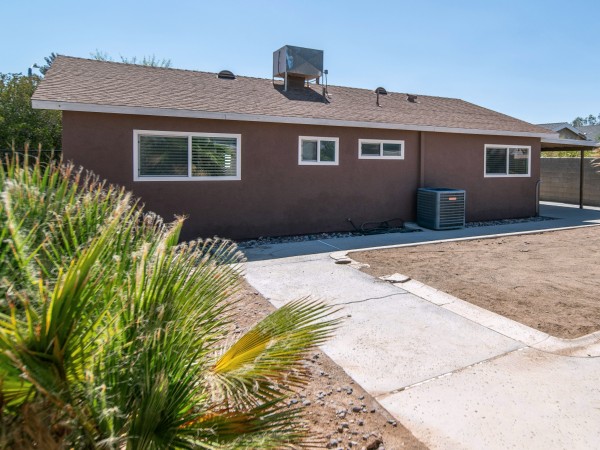
Curb appeal is a major factor in property valuation, with a clean, well-maintained exterior boosting perceived value. Dirty, greasy concrete can detract from a home’s overall attractiveness and reduce its market value by up to 10%. Regular maintenance, including professional pressure washing, can restore a property’s value and more than offset cleaning costs.
Professional Image
For businesses, first impressions are critical. Dirty concrete in front of a business can communicate neglect and lack of professionalism to clients and customers. In contrast, clean, well-maintained pavement reflects positively on the company’s image. Pressure washing can renew concrete’s appearance, helping businesses make a great first impression.

Avoiding HOA Penalties
Homeowners Associations (HOAs) can issue fines for poorly maintained property exteriors, which may include dirty concrete surfaces. Regular pressure washing helps ensure that concrete walkways, patios, and driveways stay within HOA standards, helping avoid potential fines and keeping a harmonious relationship with neighbors.
Mold and Health Hazards
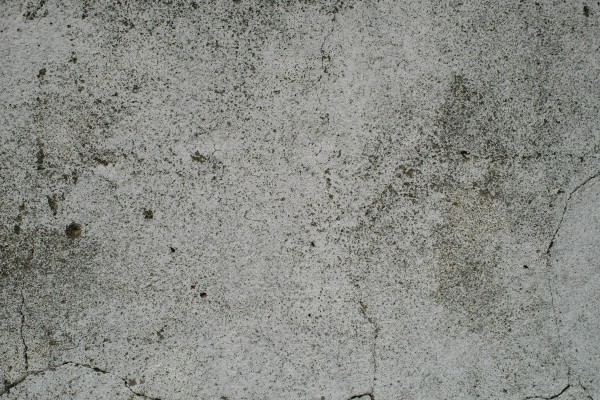
Concrete surfaces that aren’t regularly cleaned can harbor mold, which can cause respiratory issues or even infections in certain cases. Mold spores, if disturbed, can easily spread to indoor areas, potentially affecting occupants’ health. Pressure washing can prevent this by removing mold and bacteria from concrete surfaces, which also helps to protect the concrete itself.
Reduced Concrete Lifespan
Dirty concrete surfaces are subject to faster deterioration. Dirt, chemicals, and mold buildup can lead to erosion and cracks, necessitating more frequent repairs or even replacement. Pressure washing extends concrete’s lifespan, as does a regular application of sealers and crack repair.
“Keep your concrete clean to extend its longevity. Remove weeds, dirt, and other debris with a hose. Avoid using harsh chemicals when cleaning, as it can degrade your concrete.”
—Danny Smith, Angi
Safety Concerns
Dirty concrete can become slippery, especially when wet from rain or snow, creating a potential hazard for anyone walking on it. Weeds growing between concrete tiles or pavers can further create an uneven surface, increasing the risk of trips and falls. Regular pressure washing can reduce these risks, removing grime and plants that compromise safety.
Comparison of Concrete Lifespan Based on Maintenance
| Concrete Type | Use Case | Lifespan (Well-Maintained) | Lifespan (Neglected) | Maintenance Tips |
|---|---|---|---|---|
| Driveway Concrete | Residential driveways | 25-30 years | 10-15 years | Regular cleaning, pressure wash annually, seal every 2-3 years. |
| Sidewalk Concrete | Sidewalks, walkways | 30-40 years | 15-20 years | Pressure wash annually, fill cracks, and seal every 3-5 years. |
| Patio Concrete | Patios, outdoor spaces | 20-30 years | 10-15 years | Pressure wash to remove mold, reapply sealant every 2-3 years. |
| Pavement Concrete | Roads, heavy-use areas | 20-25 years | 10-12 years | Periodic pressure washing, reseal to prevent weather damage. |
SOURCE: Concrete Network
Tips to Extend Concrete Longevity
Taking proactive steps can significantly extend the life of concrete surfaces. Here are some best practices:
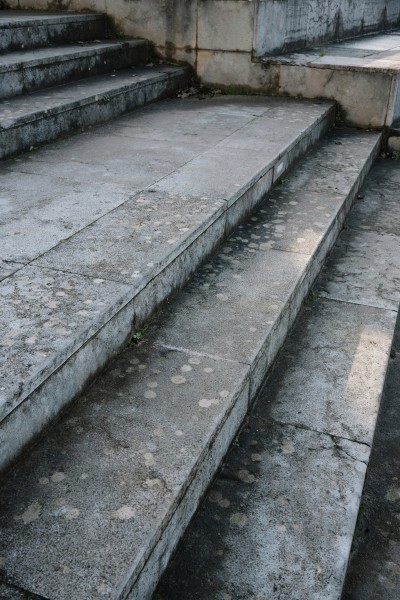
- Pressure Wash Regularly: Removing built-up dirt and grime through pressure washing helps maintain the surface integrity and appearance. Annual or biannual pressure washing is recommended for high-use areas to prevent erosion and staining.
- Apply a Quality Sealer: Sealing concrete every 2-3 years can prevent water infiltration and UV damage, both of which erode concrete over time. Sealing also creates a barrier against de-icing salts, a common cause of concrete damage in colder climates.
- Repair Cracks Promptly: Minor cracks can expand and worsen if left unattended. Patching small cracks prevents water and dirt from infiltrating, especially in freeze-thaw cycles where moisture expands.
- Minimize Use of De-Icing Salts: Salts help clear ice, but they can corrode unsealed concrete. Using less aggressive alternatives like sand can reduce this wear, prolonging concrete life.
- Ensure Proper Drainage: Standing water can erode concrete surfaces. Ensuring that your concrete has a slight slope to direct water runoff or adding drainage solutions reduces water accumulation that leads to cracking and erosion.
- Avoid Harsh Chemicals: Certain chemicals, including sulfates and acids, degrade concrete over time. Mild, concrete-safe cleaners are ideal for cleaning, especially for decorative concrete finishes.
- Control Vegetation Nearby: Tree roots and other plant growth can push up slabs or infiltrate cracks, causing structural damage to concrete. Regularly trimming trees and removing nearby invasive plants helps prevent root-related cracking.
- Pressure Wash Regularly: Removing built-up dirt and grime through pressure washing helps maintain the surface integrity and appearance. Annual or biannual pressure washing is recommended for high-use areas to prevent erosion and staining.
- Apply a Quality Sealer: Sealing concrete every 2-3 years can prevent water infiltration and UV damage, both of which erode concrete over time. Sealing also creates a barrier against de-icing salts, a common cause of concrete damage in colder climates.
- Repair Cracks Promptly: Minor cracks can expand and worsen if left unattended. Patching small cracks prevents water and dirt from infiltrating, especially in freeze-thaw cycles where moisture expands.
- Minimize Use of De-Icing Salts: Salts help clear ice, but they can corrode unsealed concrete. Using less aggressive alternatives like sand can reduce this wear, prolonging concrete life.
- Ensure Proper Drainage: Standing water can erode concrete surfaces. Ensuring that your concrete has a slight slope to direct water runoff or adding drainage solutions reduces water accumulation that leads to cracking and erosion.
- Avoid Harsh Chemicals: Certain chemicals, including sulfates and acids, degrade concrete over time. Mild, concrete-safe cleaners are ideal for cleaning, especially for decorative concrete finishes.
- Control Vegetation Nearby: Tree roots and other plant growth can push up slabs or infiltrate cracks, causing structural damage to concrete. Regularly trimming trees and removing nearby invasive plants helps prevent root-related cracking.
- Pressure Wash Regularly: Removing built-up dirt and grime through pressure washing helps maintain the surface integrity and appearance. Annual or biannual pressure washing is recommended for high-use areas to prevent erosion and staining.
- Apply a Quality Sealer: Sealing concrete every 2-3 years can prevent water infiltration and UV damage, both of which erode concrete over time. Sealing also creates a barrier against de-icing salts, a common cause of concrete damage in colder climates.
- Repair Cracks Promptly: Minor cracks can expand and worsen if left unattended. Patching small cracks prevents water and dirt from infiltrating, especially in freeze-thaw cycles where moisture expands.
- Minimize Use of De-Icing Salts: Salts help clear ice, but they can corrode unsealed concrete. Using less aggressive alternatives like sand can reduce this wear, prolonging concrete life.
- Ensure Proper Drainage: Standing water can erode concrete surfaces. Ensuring that your concrete has a slight slope to direct water runoff or adding drainage solutions reduces water accumulation that leads to cracking and erosion.
- Avoid Harsh Chemicals: Certain chemicals, including sulfates and acids, degrade concrete over time. Mild, concrete-safe cleaners are ideal for cleaning, especially for decorative concrete finishes.
- Control Vegetation Nearby: Tree roots and other plant growth can push up slabs or infiltrate cracks, causing structural damage to concrete. Regularly trimming trees and removing nearby invasive plants helps prevent root-related cracking.
- Pressure Wash Regularly: Removing built-up dirt and grime through pressure washing helps maintain the surface integrity and appearance. Annual or biannual pressure washing is recommended for high-use areas to prevent erosion and staining.
- Apply a Quality Sealer: Sealing concrete every 2-3 years can prevent water infiltration and UV damage, both of which erode concrete over time. Sealing also creates a barrier against de-icing salts, a common cause of concrete damage in colder climates.
- Repair Cracks Promptly: Minor cracks can expand and worsen if left unattended. Patching small cracks prevents water and dirt from infiltrating, especially in freeze-thaw cycles where moisture expands.
- Minimize Use of De-Icing Salts: Salts help clear ice, but they can corrode unsealed concrete. Using less aggressive alternatives like sand can reduce this wear, prolonging concrete life.
- Ensure Proper Drainage: Standing water can erode concrete surfaces. Ensuring that your concrete has a slight slope to direct water runoff or adding drainage solutions reduces water accumulation that leads to cracking and erosion.
- Avoid Harsh Chemicals: Certain chemicals, including sulfates and acids, degrade concrete over time. Mild, concrete-safe cleaners are ideal for cleaning, especially for decorative concrete finishes.
- Control Vegetation Nearby: Tree roots and other plant growth can push up slabs or infiltrate cracks, causing structural damage to concrete. Regularly trimming trees and removing nearby invasive plants helps prevent root-related cracking.
- Pressure Wash Regularly: Removing built-up dirt and grime through pressure washing helps maintain the surface integrity and appearance. Annual or biannual pressure washing is recommended for high-use areas to prevent erosion and staining.
- Apply a Quality Sealer: Sealing concrete every 2-3 years can prevent water infiltration and UV damage, both of which erode concrete over time. Sealing also creates a barrier against de-icing salts, a common cause of concrete damage in colder climates.
- Repair Cracks Promptly: Minor cracks can expand and worsen if left unattended. Patching small cracks prevents water and dirt from infiltrating, especially in freeze-thaw cycles where moisture expands.
- Minimize Use of De-Icing Salts: Salts help clear ice, but they can corrode unsealed concrete. Using less aggressive alternatives like sand can reduce this wear, prolonging concrete life.
- Ensure Proper Drainage: Standing water can erode concrete surfaces. Ensuring that your concrete has a slight slope to direct water runoff or adding drainage solutions reduces water accumulation that leads to cracking and erosion.
- Avoid Harsh Chemicals: Certain chemicals, including sulfates and acids, degrade concrete over time. Mild, concrete-safe cleaners are ideal for cleaning, especially for decorative concrete finishes.
- Control Vegetation Nearby: Tree roots and other plant growth can push up slabs or infiltrate cracks, causing structural damage to concrete. Regularly trimming trees and removing nearby invasive plants helps prevent root-related cracking.
- Pressure Wash Regularly: Removing built-up dirt and grime through pressure washing helps maintain the surface integrity and appearance. Annual or biannual pressure washing is recommended for high-use areas to prevent erosion and staining.
- Apply a Quality Sealer: Sealing concrete every 2-3 years can prevent water infiltration and UV damage, both of which erode concrete over time. Sealing also creates a barrier against de-icing salts, a common cause of concrete damage in colder climates.
- Repair Cracks Promptly: Minor cracks can expand and worsen if left unattended. Patching small cracks prevents water and dirt from infiltrating, especially in freeze-thaw cycles where moisture expands.
- Minimize Use of De-Icing Salts: Salts help clear ice, but they can corrode unsealed concrete. Using less aggressive alternatives like sand can reduce this wear, prolonging concrete life.
- Ensure Proper Drainage: Standing water can erode concrete surfaces. Ensuring that your concrete has a slight slope to direct water runoff or adding drainage solutions reduces water accumulation that leads to cracking and erosion.
- Avoid Harsh Chemicals: Certain chemicals, including sulfates and acids, degrade concrete over time. Mild, concrete-safe cleaners are ideal for cleaning, especially for decorative concrete finishes.
- Control Vegetation Nearby: Tree roots and other plant growth can push up slabs or infiltrate cracks, causing structural damage to concrete. Regularly trimming trees and removing nearby invasive plants helps prevent root-related cracking.
FAQs on Dirty Concrete
Concrete can accumulate dirt, algae, mold, mildew, and stains from vehicle oils, chemicals, and environmental debris. Long Island’s humid climate often accelerates mold and mildew growth on outdoor concrete surfaces.
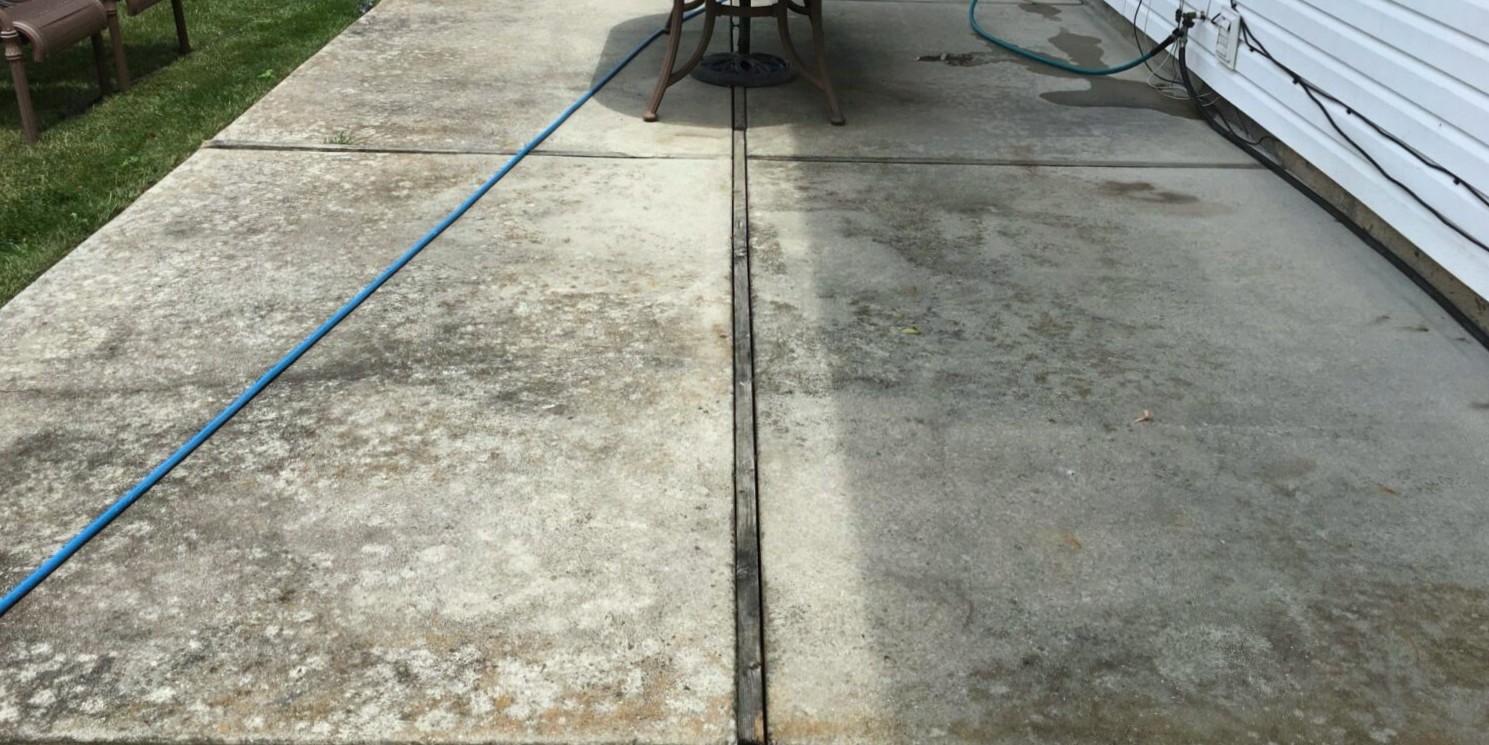
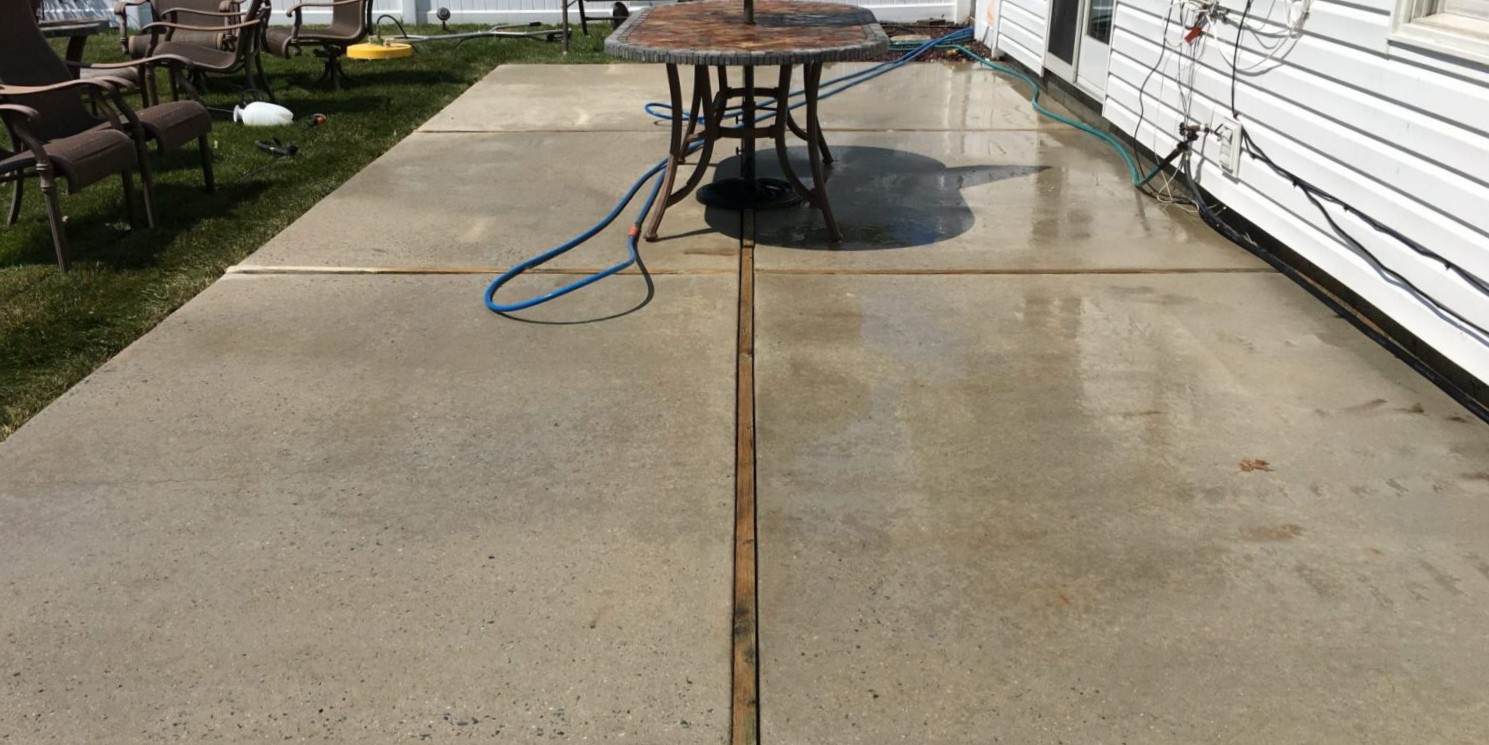
Pressure washing effectively removes built-up grime, stains, and organic growth, restoring concrete’s appearance and helping to prevent erosion and structural issues caused by dirt and contaminants.
For Long Island homeowners, pressure washing once or twice a year is typically sufficient, though areas with heavy use or more debris may need more frequent cleaning to keep surfaces looking fresh and prevent damage.
Yes, but it’s essential to use the correct pressure and nozzle to avoid damaging the finish. Professional washers know the appropriate settings for different types of concrete to avoid chipping or dulling decorative surfaces.
If done improperly, too much pressure can damage concrete surfaces. Professional washers know how to adjust pressure settings and choose the right techniques to safely clean concrete without causing wear.
Pressure washing can help loosen oil stains, though stubborn stains may require pre-treatment with specialized degreasers. For deeper stains, a follow-up cleaning may be necessary.
Yes, applying a concrete sealer after pressure washing creates a protective barrier that reduces moisture infiltration, helping to prevent mold and algae from growing back as quickly.
Rust stains can be particularly challenging, but pressure washing combined with rust-specific cleaners can improve their appearance. Professionals often use specialized cleaning agents to minimize rust discoloration.
Long Island’s seasonal changes, particularly humid summers and winter ice, can lead to quicker buildup of algae, mold, and grime on concrete surfaces, making regular cleaning important for maintaining appearance and durability.
The cost varies based on surface area, stain severity, and location, but professionals typically charge by the square foot. Long Island prices may differ slightly from national averages due to local demand and environmental factors.
Conclusion
Dirty concrete is more than an eyesore; it affects property value, professional image, safety, and even health. Regular cleaning, especially pressure washing, helps mitigate these risks and extend concrete’s useful life, sparing owners costly repairs and replacements. Enlisting professional cleaning services, such as those offered by Majestic Windows & Exterior Cleaning, can transform the look and function of concrete surfaces, preserving curb appeal, structural integrity, and, in many cases, property value.
In a single day, a professional pressure washer can restore your concrete pavement to a level of clean that would have taken days of backbreaking work in days past. Not only that but the end result will be head and shoulders above anything you could achieve with a bucket of soapy water and a wire brush.
Don’t let problems born of dirty concrete pavement undermine the integrity of your business, endanger the people who must traverse those surfaces every day or generate the ire of the homeowner’s association. Call Majestic Windows & Exterior Cleaning and say goodbye to the dirty concrete blues.
We’re easy to find. Just search for “pressure washing services near me,” or give us a call at (631) 421-2295 or (516) 721-6503 during normal business hours.