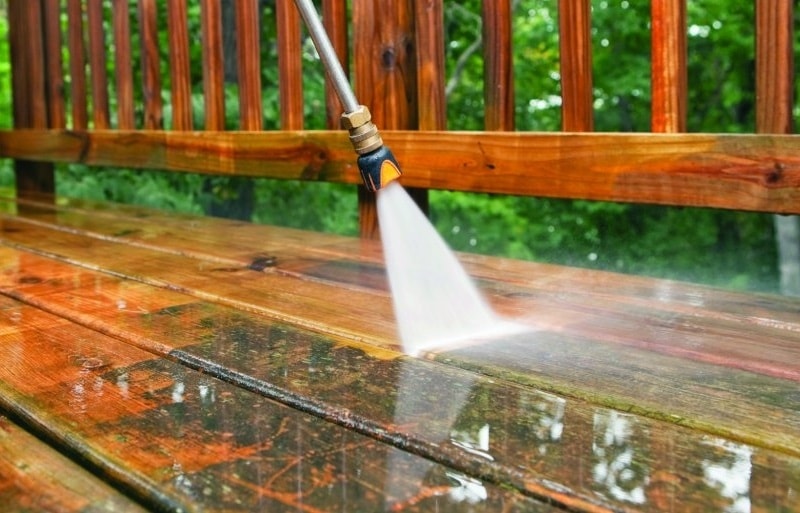
Pressure washing or power washing is when you use water under high pressure to get rid of loose paint, algae, grime, dust, mold and other substances. It can help to effectively clean the surfaces of buildings, masonry, fences, certain vehicles, and hard surfaces like driveways or patios. The terms are often used interchangeably, but they describe two different processes. Both use water under high pressure, but power washing has the benefit of a heating element to heat the water while pressure washing doesn’t
Which Do You Need?
Deciding which kind of Long Island power washing you need depends on the cleaning project. Each of these cleaning machines has pros and cons, but there are certain projects more suitable to one versus the other. Let’s take a look at some examples.
Pressure Washing for Light-Duty Cleanup
For normal household use, pressure washing is the preferred choice. It’s less rough on surfaces, which making it ideal for use on brick, concrete, and masonry. This is the machine of choice when you want to give your deck or patio a quick clean.
When Do You Use a Pressure Washer?
Pressure washing can be used to clean…
- small decks, driveways, or patios.
- softer surfaces, like siding, tiled areas, and wood decks.
- masonry, concrete and brick.
Pressure washing should do the trick for most big-ticket cleaning jobs you come across. Any item that needs to merely be blown away is a target for a pressure washer – caked on junk and dirt, moss, and weeds. Some lower-power electric power washers are ideal for window cleaning.
Choose a Power Washer for Major Cleanup Tasks
A pressured stream of extremely hot water is synonymous with Long Island power washing and removes dirt, grime, and loose paint from structures and surfaces. Compared to a normal garden hose, power washers can make quick results thanks to a steady constant stream of water at high pressure. It’s the perfect choice when you need a bit extra force to remove stains from the backyard deck, prepare vinyl siding for painting, or remove mildew and muck from your walkway or patio. But the high pressure and heat isn’t the best choice if you don’t understand what you’re doing. High pressure combined with high heat can harm delicate materials and surfaces.
Think of a power washer as a beefed-up pressure washer, with the “beef” being hot water to take the cleaning process to a higher level altogether. What types of cleanup jobs work best for a power washer?
- Use for bigger areas like extra-long walkways or huge driveways.
- Use when there’s a desire to clean severe dirt, grease, moss, weed buildup, and slippery surfaces due to mold. A stream of heated water can loosen stuck-on grime outdoors just as hot water cleanses floors and dishes better than cold. It also kills mildew and moss and inhibits their fast return.
- Power washers are good choices for hard surfaces resilient to heat and pressure.
Types of Pressure Washers
Electric pressure washers are useful, light-duty machines. They’re normally cheaper, quieter, and more portable than gas-powered machines, and are ideal for consumer-centric jobs like cleaning fencing and removing dirt and stains from cement. They can also run indoors thanks to their exhaust-free design.
Gas pressure washers can produce higher water pressure than their electric brethren, often greater than 3,000 PSI. You can use them for deep-cleaning concrete, optimizing siding for painting, and other high-intensity cleaning chores. However, this kind of Long Island pressure washer regularly creates a loud sound and produces harmful exhaust fumes when running.
Types of Power Washers
Gasoline-powered power washers are louder than their electric engine counterparts and expel pollution and exhaust fumes. On the plus side, they’re more portable and aren’t dependent on electrical outlets. This feature makes them suitable for outdoor jobs, where electrical availability, fumes, and sound aren’t big problems. These kinds of power washers are more potent, because they’re not limited by the amperage of an outlet.
Electric power washers are fume-free and quiet, but their power is restricted by the output available from the electrical outlet they’re plugged into. Standard North American receptacles produce 120V at 15 or 20 amps, and most homes feature lower output than industrial or commercial buildings, prohibiting horsepower equal to gas engine models.
Even with this limitation, electric power washers are a good choice for many outdoor and indoor applications, particularly on surfaces where you want to inflict as little damage as possible, like painted surfaces, vehicles, or window cleaning.
Safety First
In all our years in this business, we’ve seen our fair share of DIY pressure or power washing jobs gone bad – bodily injury, irreparable damage to personal property, and other unfortunate incidents – and we strongly urge the average homeowner to work with a professional cleaning team when they have cleanup tasks requiring either machine. But if you want to do the work yourself, please keep in mind a few commonsense safety tips:
- Familiarize yourself with the equipment by reading the user manual.
- Consider all possible health and safety hazards. Write them down if needed, and have a second pair of eyes look them over for you.
- Make sure to wear safety gear: Boots, long pants, safety goggles, gloves.
- Engage any safety mechanisms when the washer isn’t being used.
- Never aim the wand at a person or animal.
Work With a Trusted Professional
Majestic Windows & Exterior Cleaning is your preferred Long Island Pressure Washing company. With hundreds of satisfied customers in Long Island, Huntington NY and the surrounding areas, we’re famous for our high-quality services at the best prices. Contact us today by calling 631-421-2295 for more information.