Categories
Pressure Washing

Pressure Washing Stucco Without Damage

Some tradesmen who install stucco walls on homes and businesses are adamant that you should never attempt to use a power washer to clean those walls. Pressure washing stucco, they say, will result in the stucco being shredded into little pieces causing untold damage to the house or business and requiring an expensive do-over. But is that right? Can you pressure wash stucco or are you wrong to even consider it? In this guide, the team at Majestic Windows & Exterior Cleaning take a look at this hot-button issue and attempt to reach a definitive conclusion.

Why Do Some Object to Power Washing Stucco?

According to some in the building trades, bringing a pressure washer anywhere near stucco is akin to trying to wash your windows with a wet brick. The following are the most common objections these folks raise when discussing the matter:

  • The intensity of the power wash is simply too much for stucco to endure.
  • Pressure washing will create serious cracks in the stucco that will cause water to get trapped leading to damage to your home’s framework.
  • The chemicals used by some power washers will erode the integrity of the stucco finish.

While we don’t question the motives behind such claims we have to point out that all of these assumptions are based on incomplete reasoning.

Every power wash machine can be adjusted to expel water under greater or lesser pressure. Professional pressure washers are constantly adjusting the pressure settings to accommodate different materials. And they would certainly do the same for stucco. So the idea that a professional pressure washer would assault anyone’s stucco with their equipment set to maximum is both silly and wrong.

Also, because no qualified power wash technician would use excessive water pressure on your stucco the idea that they would create cracks in the stucco is, again, simply wrong. One of the most common reasons for cracking stucco is that the house or business settles over time.

Finally, no qualified power wash technician is going to use dangerous or harmful chemicals on your stucco that might cause its structural integrity to erode.

With all that in mind it seems clear that the greatest danger to stucco is not the pressure wash itself, but who does the actual washing outside. Hire an inexperienced person or outright unqualified person and you may wind up with damage to your stucco. Hire the experts from Majestic Windows & Exterior Cleaning and we’ll have your stucco looking like new in short order.

Can You Pressure Wash Stucco?

Yes, as long as you hire a qualified person with the requisite experience. As is the case with most things in life, who you get to perform important jobs is the most important thing. Choose the right person and enjoy the benefits of a job well done. Choose the wrong person and you are likely to regret it.

With all that in mind here is our step-by-step guide to power-washing stucco.

Step One: Inspect the Stucco

The first thing we do is inspect the stucco surface to ensure it is in good enough condition to be pressure washed.

Hairline cracks can be easily sealed with caulk, whereas moderate to severe cracks should be sealed by professionals before pressure washing can be done. If cracks or gaps in the stucco are found we proceed to step two. If not, we skip to step three.
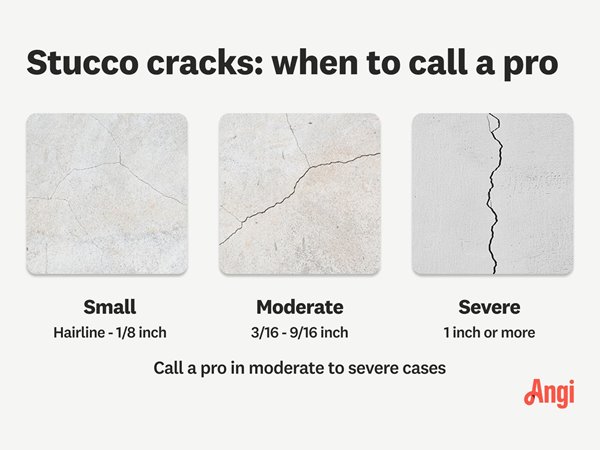
Infographic showing stucco crack severity levels and those requiring professional repairs
“The most effective kinds of caulk for stucco repair are elastomeric or polyurethane caulks, as they have excellent flexibility, weather resistance, and bond strength. These types of caulk ensure long-lasting repairs and help maintain the stucco surface.”

—Jacqueline DeMarco, Angi Home Solutions

Step Two: Seal the Cracks

If, while inspecting your stucco our technician discovers any notable cracks or gaps in the stucco surface they will need to be addressed before cleaning can commence. A high-quality exterior caulk should be sufficient to repair minor cracks. If the damage is more severe you will need to enlist professional help to repair the stucco surface before cleaning can commence. Once any issues have been effectively addressed we can proceed to step three.

Step Three: Rinse Down the Stucco

Once our technician is satisfied with the integrity of the surface the cleaning process can begin. The technician will set the pressure on the power washer to 1,500 psi or lower and will typically use a 25 or 40-degree nozzle that will minimize the impact of the water against the surface. Once the entire stucco surface has been rinsed down it’s time to move on to step four.
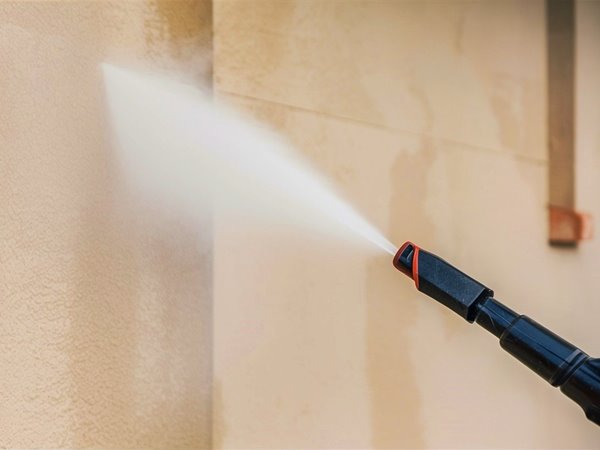
Rinsing beige stucco wall with pressure washer
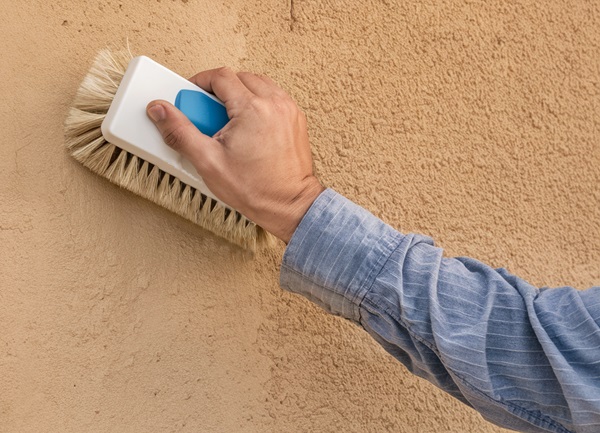
Arm scrubbing beige stucco wall with white wire cleaning brush

Step Four: Applying the Detergent

If stucco is to be cleaned effectively it’s imperative that the right detergent is used. Depending on the amount of dirt and grime the technician may choose something very mild or they may opt for a more potent combination of cleaning agents. Whatever detergents they choose they will be mixed in the proper proportions to ensure the stucco emerges looking great, without harming its fundamental integrity.

Once the cleaning solution is determined and prepared it is applied to the surface via the power washer. Any areas of stubborn dirt or stains will be addressed by hand using a soft bristle brush. Once every part of the surface has been addressed the cleaning solution is typically left to work itself in for 10 or 15 minutes.

Step Five: Removing the Detergent

After waiting a short time the technician will use the power washer to rinse down the entire stucco surface. As the detergent is washed off of the surface it will take the dirt and grime with it. The technician may opt to rinse the surface down more than once to ensure all the detergent is removed. And if they detect areas that did not come thoroughly clean they may rework them using the detergent and the soft bristle brush.
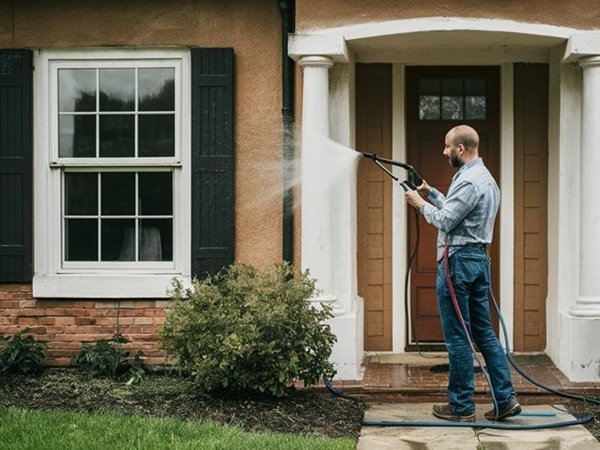
Man power washing beige stucco home's front exterior

So there you have it. In spite of the alarmist rhetoric put out there by some stucco can be effectively cleaned by pressure washing. It just takes the experienced hand of the professional. In almost all cases where damage does occur to stucco during a power wash, it involves an inexperienced person or a DIYer using equipment they are not properly trained to use. That will not happen when you enlist Majestic Windows & Exterior Cleaning to power wash your stucco.

Get in Touch With Majestic

The stucco on your Long Island home or business can be power washed but it’s important you to choose the right company to power wash your stucco exterior. Don’t run the risk of damaging stucco by trying to clean it yourself or hiring someone based solely on the rock-bottom price they gave you. Instead, call the experts at Majestic Windows & Exterior Cleaning to handle the cleaning of your stucco exterior. We’re easy to get in touch with. Either search for “pressure washing services near me” or, better yet call us at (631) 421-2295 or (516) 721-6503 during normal business hours.
Categories
Pressure Washing

Concrete Rust: What is It + Can Pressure Washing Help?

A term like “concrete rust” seems like a misnomer. After all, concrete is not metallic in any way, so how can it rust? In truth, it can’t. However, if exposed to water and oxygen, rebar and other metal items embedded in the concrete can be used. And if that happens, the rust from the metal within will find its way to the surface of the concrete, and voila! Concrete rust. The question then becomes: “how do I get rid of it?” Is pressure washing effective at eliminating concrete rust? Let’s find out.

Concrete rust is a common issue that pressure-washing professionals regularly encounter in their line of work. It manifests as reddish-brown stains on concrete surfaces, detracting from the appearance and potentially indicating underlying structural problems. While concrete itself doesn’t rust like metal, the term “concrete rust” refers to the discoloration caused by the oxidation of iron particles within or near the concrete. In the following guide, our pressure washers review the top causes of concrete rust and answer some of the most common questions we’ve received.

Six Top Causes of Concrete Rust

Understanding the causes of concrete rust is crucial for effective cleaning and maintenance strategies. Concrete rust typically stems from one (or more) of the following six common causes.

Cracks and Permeable Concrete

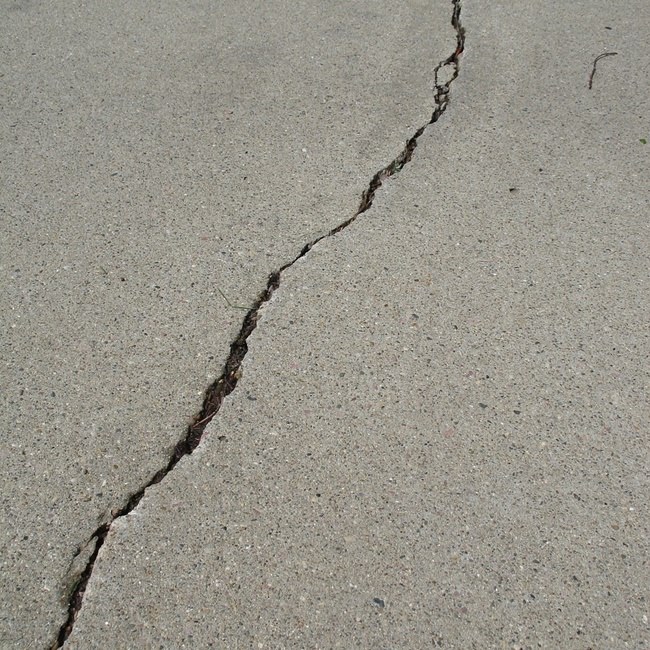
Concrete sidewalk with large diagonal crack

Skyscrapers aren’t the only structures that employ rebar to strengthen concrete. Most houses also have rebar in their foundation. Also, most concrete driveways and concrete slabs in garages have rebar within, helping them maintain their structural integrity.

However, even though the rebar may prevent the foundation, driveway, or slab from crumbling, it can’t prevent tiny cracks from forming that allow moisture to infiltrate. Cracks in concrete allow moisture and contaminants to penetrate deeper into the structure, reaching the reinforcement and exacerbating corrosion. Poorly compacted or permeable concrete exacerbates this issue by providing easier pathways for moisture ingress. When that happens, the rebar begins to rust, which bleeds onto the concrete surface, creating rust.

Inadequate Concrete Cover

Insufficient concrete cover over the reinforcement bars leaves them vulnerable to corrosion. Poor construction practices, including improper concrete mixtures or inadequate curing, can compromise the protective layer of concrete, hastening rust formation. As pressure washers, we often observe concrete surfaces where the rust stains are more pronounced due to inadequate cover over the reinforcement.

Reinforcement Corrosion

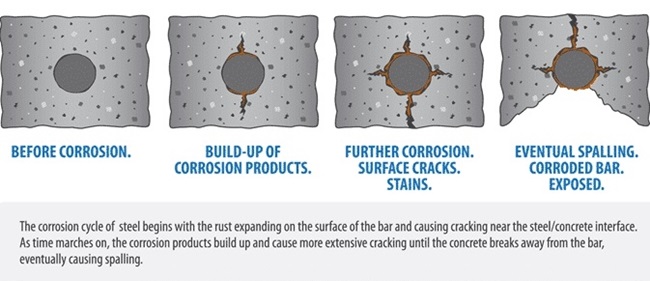
One of the primary causes of concrete rust is corrosion of the steel reinforcement bars (rebars) embedded within the concrete. When moisture seeps into the concrete and reaches the steel, it triggers a corrosion process. As rust forms on the steel, it expands, leading to cracks and surface deterioration. Professional pressure washers often encounter rust staining on structures like bridges, parking garages, and industrial buildings where reinforced concrete is prevalent.

Infographic showing the phases of corrosion in steel rebar inside concrete structures

Exposure to Water

Rain gutter pouring into concrete splash block

Prolonged exposure to water, whether from rainfall, irrigation, or leaks, can accelerate rust formation on concrete surfaces. Water provides the necessary oxygen and electrolytes for corrosion, leading to unsightly rust stains. Pressure washers often encounter rust staining on outdoor surfaces such as sidewalks, driveways, and patios exposed to frequent moisture, requiring specialized cleaning techniques to restore their appearance.

Carbonation

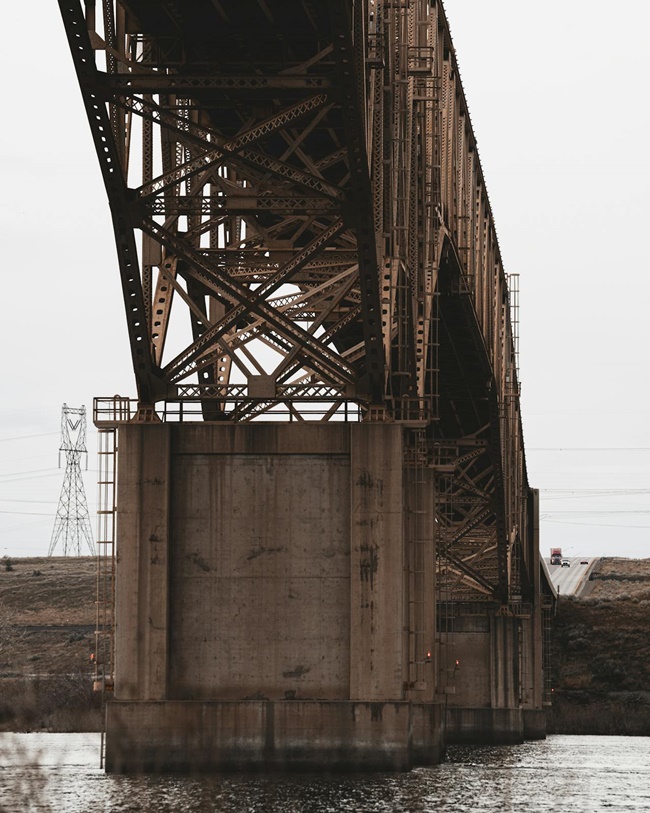
Large steel bridge with rusted concrete base above water

Carbon dioxide from the atmosphere can penetrate concrete, gradually reducing its pH levels through a process known as carbonation. This reduction in alkalinity compromises the passive layer, protecting the steel reinforcement and making it susceptible to corrosion. Pressure-washing professionals frequently encounter carbonation-induced rust on older concrete structures, particularly in urban environments with high levels of atmospheric pollution.

Chloride Ion Ingress

Chloride ions from marine environments or deicing salts used on roadways can penetrate concrete pores and accelerate corrosion. Chlorides disrupt the protective oxide layer on the steel surface, promoting rust formation. Structures exposed to chloride-rich environments, such as coastal areas or highways, often exhibit severe rust staining, requiring specialized cleaning techniques from pressure-washing experts.

FAQs About Concrete Rust

Yes. There are multiple ways to remove concrete rust, which have varying levels of effectiveness.

You can, but you’ll do untold damage to your concrete. While power washing is not powerful enough to damage concrete, a wire brush is. Scraping a wire brush back and forth across the face of your foundation or driveway will scrape away the concrete itself, leaving a wound on the surface that will need to be patched.

Yes, pressure washing is an effective method for removing concrete rust stains. Using specialized equipment and appropriate cleaning solutions, pressure washing professionals can safely and swiftly restore the appearance of concrete surfaces.

Yes, pressure washing is an effective method for removing concrete rust stains. Using specialized equipment and appropriate cleaning solutions, pressure washing professionals can safely and swiftly restore the appearance of concrete surfaces.

No. The pressure washer can fire water at a surface at tremendous speed under high pressure, but it is not strong enough to destroy concrete. If you need concrete rust removed from any part of your home, you can rest easily, knowing the only thing removed will be the stain.

Yes. One of The most effective ways to prevent rust stains on concrete is to seal your concrete foundation or other architectural features with a strong concrete sealant. This simple step can significantly reduce the risk of rust and make maintenance of your home’s concrete features much easier.

The frequency of pressure washing depends on various factors, including the severity of rust staining, environmental conditions, and maintenance practices. By implementing a routine maintenance schedule and regularly inspecting your concrete surfaces, you can take control and prevent rust staining from becoming a major issue.

Final Thoughts

Washing outside surfaces of your home with a pressure washer is a fast and effective way to achieve your desired results. That includes using a pressure washer to remove concrete rust from your foundation and other surfaces. To achieve the best possible results, you must enlist the services of a company with extensive power washing experience. In South Huntington, that company is Majestic Windows & Exterior Cleaning.

Get in Touch With Majestic Exterior Cleaning

Concrete rust is an unsightly phenomenon that can undermine the curb appeal of your entire home. On commercial buildings, it can shine an unflattering light on your business and damage your brand image.

If you’ve had enough of concrete rust, it’s time to get in touch with the experts at Majestic Windows & Exterior Cleaning by calling 631-421-2295 or searching for “pressure washing services near me” and arranging for one of our technicians to pay a visit.

Categories
Home Improvement House Washing Pressure Washing

Can You Pressure Wash Wrought Iron?

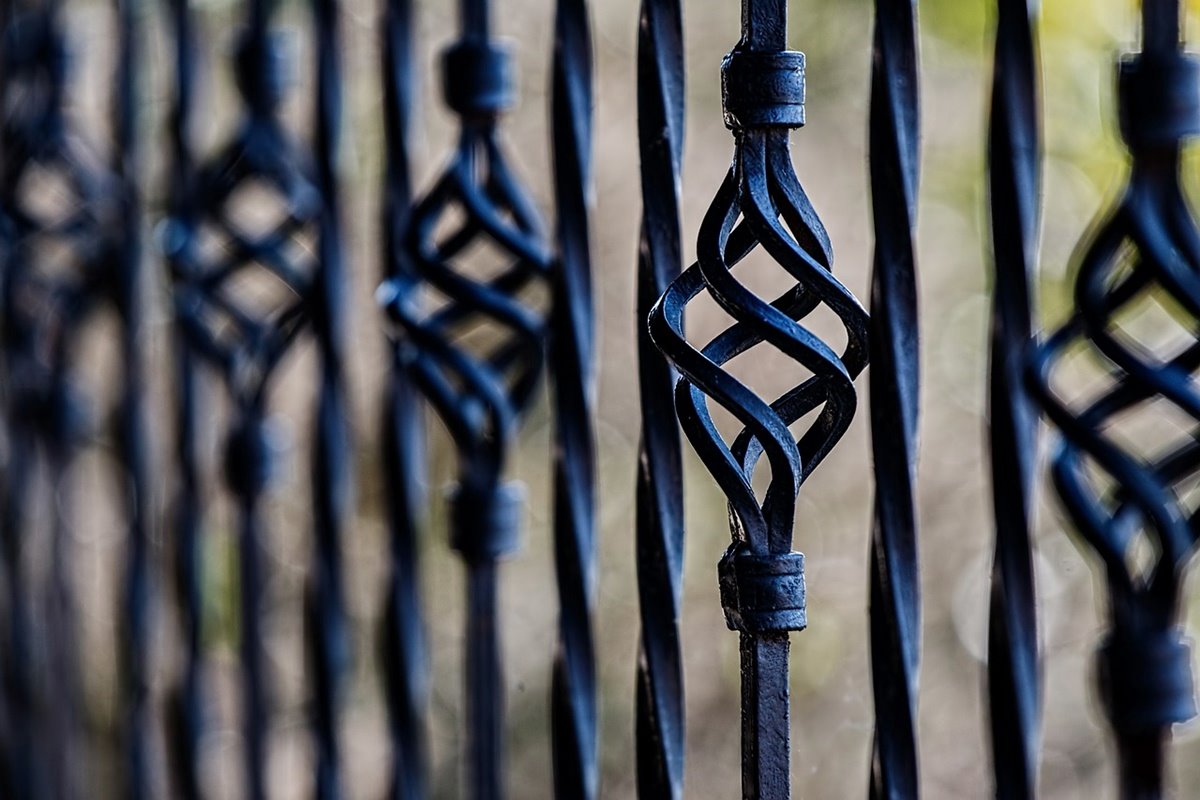
Many homeowners and businesses across Long Island have wrought iron features on their property. It might be fencing, a driveway gate, or balustrades on the balcony. But whatever type of wrought iron you have you will eventually be faced with having to clean it. Of course, you always have the option of taking a bucket of soapy water and a sponge and washing it all down by hand. But who has the time or energy for that? Not a lot of people, which is probably why we get asked “Does power washing work on wrought iron?” all the time. Below we’ll address this question head-on.

Categories
Pressure Washing

Home Exterior Cleaning Challenges and Professional Tips

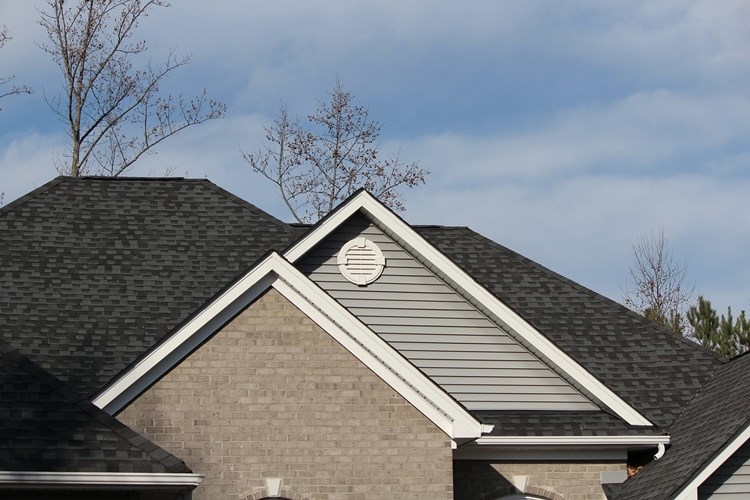
There is more to pressure washing than cleaning driveways. Much of the work we do in the South Huntington area is related to cleaning residential exteriors. The thing is, exterior house cleaning is not as straightforward as it might seem because a home’s exterior is actually an agglomeration of various components.

These components are fashioned from different materials and fastened to the house using a variety of methods, some stout, others surprisingly frail. Each component of the exterior, then, must be thoroughly understood if we are to get it as clean as possible without causing damage.

Categories
Pressure Washing

Efflorescence on Brick Exterior: Causes and Removal Options

Have you ever noticed that some brick surfaces have powdery white blotches all over them? Those blotches are called “efflorescence.” According to the Brick Industry Association, “efflorescence occurs when water containing dissolved salts is brought to the surface of masonry, the water evaporates, and the salts are left on the

Categories
Pressure Washing

Can Pressure Washing Strip Paint Effectively?

Experienced house painters will tell you that removing old paint is the toughest part of their job. Scraping, scrubbing, sanding, and otherwise peeling old paint from surfaces is tiring and time-consuming and if they’re going to lose money on a job it’s likely because paint removal took much longer than expected. But even if you’re not a pro and you want to repaint your South Huntington porch paint removal will present a significant obstacle to overcome. Unless you have the professionals (like our team) remove the old paint for you via pressure washing.

Categories
Pressure Washing

Reasons To Wash Outdoor Furniture Yearly Before Using It

We all wait many long months for the return of warm weather and the opportunity to entertain outdoors. BBQs, pool parties, and more are an important part of the summertime experience and often produce memories that last a lifetime. But if the outdoor furniture you present to your guests during your Fourth of July get-together is gritty and grimy from being in the basement all winter the memory your guests will take away will be of the dirt marks the furniture left on their clothes. Below the team from Majestic Windows & Exterior Cleaning examines why pressure washing your outdoor furniture at the end of the winter is so important.

Categories
Pressure Washing

How To Remove Oil Stains From Pavement

Concrete pavers provide your home with a timeless appearance that’s both visually compelling and extremely long-lasting. Unlike concrete slabs, pavers will not develop long cracks and split into sections, and unlike asphalt, pavers will not need to be redone every few years. But there is one issue all driveway surfaces share, including pavers: oil stains. Which raises the question, what is the best method for removing oil stains from pavers? Bleach? Soapy water and elbow grease? Power washing? Read on to find out.

Categories
Pressure Washing

Six Common Driveway and Patio Stains

Driveways and patios can really enhance the curb appeal of your property, especially when they are laid by experienced professionals who know exactly what they are doing. However, no matter how skilled your driveway and patio installation teams may be, both surfaces will inevitably begin to look the worse for wear after a year or two of constant exposure to the elements. If you want to make sure that your home continues to look great from the outside, regular pressure washing is one of the best solutions but there are certain types of stains that need a little pre-treatment to ensure they are completely eliminated. It is these stains that we are going to discuss below. Once you have finished this article, you will know exactly how to deal with all of the most common types of stains that affect patios and driveways, both here in South Huntington and right across the USA.

Categories
Pressure Washing

Five Telltale Signs Your Deck Needs Cleaning

If you are lucky enough to have a deck in your garden, it’s important to keep it clean and well-maintained so that it lasts for many years to come. A dirty deck not only looks unsightly, but it can also be a major safety hazard. But how do you know when it’s time to clean your deck? Should you wait until it’s so dirty that you can no longer see the wood surface or should you clean it every day? To find out how to determine when it’s time to clean your deck, we invite you to read our short guide to deck cleaning and maintenance. Our Long Island pressure washing technicians, all of who clean decks in Dix Hills and the surrounding area on a daily basis, have collected together their top cleaning tips below, for your convenience.